Table of Contents
LASIK eye surgery is a game-changer for people who are used to wearing glasses or contacts every day, offering a chance to see clearly without them. But, there are questions about how long this solution lasts. This article looks into how long LASIK’s effects really last, clearing up some common misunderstandings and explaining what might affect the long-term results.
What Is LASIK Eye Surgery?
LASIK (Laser-Assisted In Situ Keratomileusis) is an outpatient laser vision correction procedure that permanently reshapes the cornea to correct nearsightedness, farsightedness, and astigmatism. The procedure typically takes 15 minutes per eye, is performed under topical anesthesia, and most patients notice dramatically clearer vision within hours. LASIK has been performed for more than three decades, with millions of successful procedures completed worldwide.
How LASIK Corrects Vision
LASIK is a surgery that fixes vision problems by reshaping the eye’s surface with a laser. This laser vision correction involves making a small flap on the eye and then using a laser to improve vision. It’s precise and can greatly improve how well you see, often making glasses or contacts unnecessary.
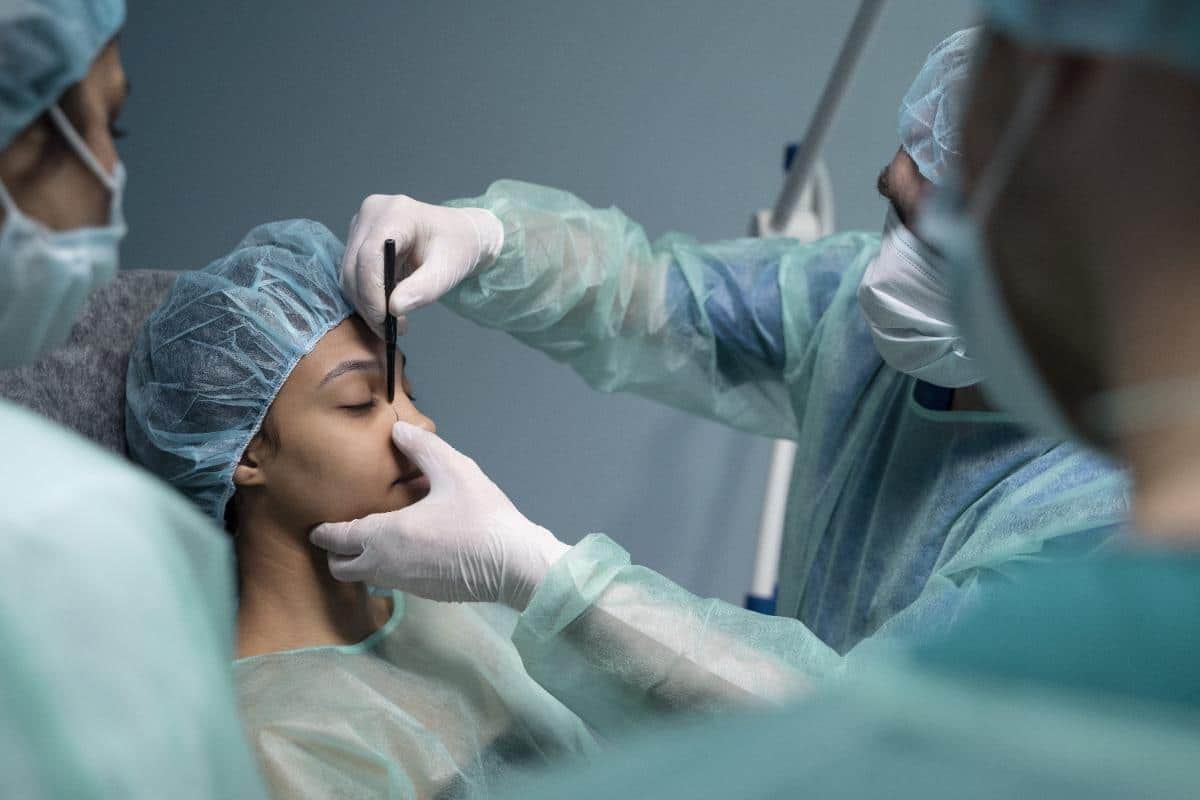
LASIK, while involving complex technology, follows a straightforward procedure. First, the eye is numbed with anesthetic drops. Then, a delicate, hinged flap in the cornea is created using either a microkeratome or a femtosecond laser. This flap is folded back to reveal the corneal bed, where an excimer laser then reshapes the corneal tissue according to each patient’s unique needs. Finally, the flap is repositioned and naturally adheres back into place without the need for sutures.
Who Is a Good Candidate for LASIK?
Most adults with stable refractive errors can be considered for LASIK, but a comprehensive eye exam is the only way to confirm candidacy. Ideal candidates typically meet these criteria:
- Age 18 or older, with a stable prescription for at least one year
- Healthy corneas of sufficient thickness
- Refractive error within treatable range (mild to moderate myopia, hyperopia, or astigmatism)
- No active eye conditions such as keratoconus, severe dry eye, or untreated glaucoma
- Good overall health, with no autoimmune or immunodeficiency disorders that impair healing
- Not pregnant or nursing, as hormonal changes can temporarily affect vision stability
Is LASIK Permanent?
Yes — the corneal reshaping performed during LASIK is permanent. The laser permanently alters the cornea’s curvature, and that change does not reverse. However, asking “is LASIK permanent” often really means “will my vision stay this clear forever?” — and the honest answer is that while the surgery’s effect is permanent, your eyes continue to age. Natural changes to the lens (presbyopia) and other age-related conditions can affect vision years or decades after LASIK, even though the surgical correction itself remains intact.
How Long LASIK Results Typically Last
For most patients, LASIK results last a lifetime in terms of the original correction — but how long does LASIK last in terms of needing zero vision aids depends largely on age at the time of surgery and natural aging of the eye. Research provides clearer data:
Recent medical research tracked people with myopia and/or astigmatism who underwent LASIK surgery. Over 12 years, it was discovered that approximately 10 percent of the participants showed age-related changes in vision during that period.
LASIK outcomes can be influenced by individual health and lifestyle factors. The key to LASIK’s longevity is to understand and mitigate the potential circumstances that could undermine its effectiveness.
Why Vision Can Change After LASIK
LASIK is known for quick and lasting results, but it’s not always a simple one-time fix. The success of LASIK depends on different factors: some we can control, and others we can’t control.
The procedure permanently reshapes the tissue in front of the eye; however, as you age, your vision may gradually become blurry. The timeline for experiencing changes after the LASIK procedure depends on your age at the time of the surgery and whether you have any other progressive eye conditions.
Can LASIK Wear Off Over Time?
LASIK doesn’t “wear off” in the sense of the corneal correction reversing — the reshaping is permanent. What patients sometimes describe as LASIK “wearing off” is actually one of two things: natural age-related vision changes (presbyopia, cataracts) that affect different parts of the eye, or, in a smaller percentage of patients, a phenomenon called LASIK regression where the cornea slightly returns toward its pre-surgery shape. Regression is more common in patients who started with very high prescriptions and can typically be addressed with LASIK enhancement surgery.
What Factors Affect Long-Term LASIK Results?
LASIK outcomes depend on a combination of factors at the time of surgery and in the years that follow. Some factors — age, genetics, baseline eye health — are outside your control. Others — daily eye protection, regular check-ups, and overall wellness habits — directly determine how long your results stay stable.
Age-Related Vision Changes
Another natural yet prominent factor is aging. Over time, the profile of the eye changes and loses flexibility and strength, mostly due to changes in the lens and its ability to focus. Referred to as presbyopia, these changes often lead to the need for reading glasses or bifocals and can impact the refractive error that LASIK initially addressed.
Presbyopia and Reading Glasses After LASIK
Presbyopia is the gradual loss of the eye’s ability to focus on near objects, beginning around age 40 and continuing into the 60s. It happens because the natural lens inside the eye stiffens — a change LASIK cannot prevent because LASIK reshapes the cornea, not the lens. Patients who had LASIK in their 20s or 30s may still need reading glasses later in life, even with perfect distance vision. Options to manage presbyopia after LASIK include reading glasses, monovision LASIK (correcting one eye for distance and one for near), or, eventually, lens-replacement procedures.
Eye Health and Lifestyle Factors
Compliance with the prescribed regimen for ocular health is essential for the healing process and the optimization of long-term LASIK effects. Furthermore, maintaining good overall eye health through regular check-ups and preventive care is a proactive measure against unseen issues that can compromise LASIK outcomes.
Conditions that develop independently of LASIK — including diabetes, cataracts, glaucoma, and macular degeneration — can affect vision years after surgery. Lifestyle factors like UV exposure, smoking, excessive screen time, and poor nutrition also play a role. The good news: LASIK side effects long term are uncommon when patients maintain regular eye exams and protect their eyes from preventable damage.
What Is LASIK Regression?
LASIK regression is the gradual return of refractive error months or years after surgery, caused by subtle remodeling of the cornea or progression of the underlying refractive condition. It’s most likely in patients who began with very high prescriptions, those who had surgery before their vision fully stabilized, or those with corneas that heal aggressively. Mild regression is fairly common; significant regression that affects daily vision is much rarer and is one of the few LASIK side effects long term patients should be aware of.
Common Symptoms of LASIK Regression
- Gradual return of blurred distance vision
- Increased need for glasses or contacts for activities like driving
- Difficulty seeing road signs or distant objects clearly at night
- Eye strain or fatigue during prolonged visual tasks
- Slight prescription change detected at routine eye exams
Can LASIK Regression Be Prevented?
Regression can’t always be prevented, but the risk can be reduced. Surgical factors include thorough pre-op screening, accurate measurements, and choosing experienced surgeons who tailor treatment parameters to each cornea. Patient factors include keeping the eyes well-hydrated, attending all follow-up visits, avoiding eye rubbing during healing, and protecting eyes from UV damage. Patients with very high prescriptions should discuss realistic long-term expectations with their surgeon before proceeding.
When LASIK Enhancements May Help
LASIK enhancement surgery — sometimes called a “touch-up” — is a follow-up procedure to fine-tune vision when regression or residual refractive error affects daily life. The enhancement is performed by lifting the original flap (if eligible) or using a surface technique like PRK. Most enhancements happen between three months and several years after the original LASIK. Candidates need adequate corneal thickness and stable measurements at the time of evaluation. A reputable practice will discuss the option of LASIK enhancement surgery up front, including whether it’s included in the original cost or billed separately.
LASIK Recovery and Long-Term Eye Care
Keeping LASIK effective is a team effort between the patient and the doctor. By following best practices, one can significantly improve the odds of enjoying lasting benefits from the procedure.
LASIK Recovery Timeline
Most patients experience clearer vision within 24 hours, but the full LASIK recovery timeline spans three to six months as the cornea fully heals and stabilizes. Here’s what to expect at each milestone:
- Day 1: Vision usable for light activities. Wear protective shields while sleeping. Use prescribed antibiotic and anti-inflammatory drops.
- Week 1: Most patients return to work and routine activities. Avoid eye makeup, swimming, and dusty environments.
- Weeks 2–4: Vision stabilizes substantially. Most patients see 20/20 or better. Sports and exercise resume with eye protection.
- Months 1–3: Dryness symptoms ease. Night vision halos and starbursts continue fading.
- Months 3–6: Cornea reaches final stable shape. Final visual acuity locks in. The LASIK recovery timeline officially completes.
Importance of Follow-Up Eye Exams
The immediate post-op period is critical for the success of the surgery. Regular follow-up visits allow the ophthalmologist to monitor the eye’s healing progress and address any developing issues. Adherence to these appointments is non-negotiable for long-term outcome assessment.
Long-term, an annual comprehensive eye exam after LASIK remains important. These exams detect early signs of presbyopia, cataracts, glaucoma, and other conditions before they affect daily vision — protecting both your LASIK results and your overall eye health.
Tips to Protect Vision After LASIK
Lifestyle choices matter. Protecting your eyes against trauma, exposure to harsh environments, and harmful UV radiation is imperative.
Simple measures such as wearing protective eyewear during sports and home improvement activities, as well as choosing adequate sun protection such as sunglasses with UV protection, contribute to safeguarding your surgically enhanced vision.
Maintaining good hygiene, rest, and balanced nutrition are cornerstones of the post-LASIK care routine. The goal is to make your body healthier, which helps your eyes stay healthy too, making LASIK surgery more successful.
Can You Have Cataract Surgery After LASIK?
Yes — having had LASIK does not disqualify you from cataract surgery. In fact, most LASIK patients eventually develop age-related cataracts and undergo cataract surgery decades after their original LASIK procedure. The two surgeries operate on completely different parts of the eye: LASIK reshapes the cornea, while cataract surgery removes and replaces the natural lens behind it.
How Previous LASIK Affects Cataract Surgery
Prior LASIK does add complexity to cataract surgery planning, primarily because the reshaped cornea changes the calculations used to select the correct intraocular lens (IOL) power. Surgeons use specialized formulas and advanced imaging — including topography and optical coherence tomography (OCT) — to account for the post-LASIK cornea. A surgeon experienced in operating on post-LASIK eyes is important to achieve accurate IOL power selection and optimal visual outcomes.
Special Considerations for Lens Selection
Post-LASIK patients have several IOL options during cataract surgery, but careful selection matters more than for typical patients:
- Monofocal IOLs: Reliable distance vision with reading glasses for near; the safest choice when LASIK history complicates measurements.
- Toric IOLs: Available if astigmatism remains after the cornea’s reshaping; can fine-tune residual cylinder.
- Multifocal or EDOF IOLs: Possible but require excellent corneal regularity and realistic expectations — some post-LASIK corneas don’t support these well.
- Light-Adjustable Lenses (LAL): Particularly valuable for post-LASIK eyes because the prescription can be fine-tuned with UV treatments after implantation, correcting for measurement uncertainty.
LASIK vs Glasses and Contacts: Long-Term Benefits
Choosing LASIK over a lifetime of glasses and contacts isn’t only about visual clarity — it’s about freedom, convenience, and, over decades, often money. While LASIK requires a meaningful upfront investment, the long-term math frequently favors the procedure for patients who would otherwise spend on corrective lenses for the rest of their lives.
Quality of Life Improvements
Patients consistently report life changes that go beyond “seeing better,” including:
- Freedom in sports, swimming, hiking, and travel without managing eyewear
- Waking up to clear vision — no fumbling for glasses or inserting contacts
- Reduced dry eye irritation common with long-term contact lens wear
- No more dealing with broken frames, lost lenses, or fogged glasses in humidity
- Improved confidence in social and professional settings
- Better safety in emergencies that previously required quickly locating glasses
Cost Comparison Over Time
LASIK typically costs $2,000–$3,500 per eye depending on technology and location. While that’s a significant upfront expense, glasses and contacts add up steadily over a lifetime:
- Annual contact lens supply: $250–$500 plus solutions and cases
- Replacement glasses every 1–3 years: $200–$800 per pair, often more for premium lenses
- Annual eye exams for prescription updates: $100–$200
- Sunglasses with prescription: additional $200–$500
Over 20 years, the cumulative cost of glasses and contacts often exceeds the price of LASIK two or three times over. For patients in their 20s–40s, LASIK frequently pays for itself within 5–10 years. Many practices also offer financing to spread the procedure cost across manageable monthly payments.
Eye on the Future
The main point is that LASIK’s long-term success depends on good eye health practices and active patient involvement. LASIK offers a world of visual clarity, but it is not without nuances and the occasional need for aftercare.
For more specific inquiries on eye care services and personalized guidance, we invite you to reach out to Southwest Florida Eye Care, where our dedicated team of specialists is committed to enhancing and preserving your visual health. If you’re searching for the best LASIK surgeon South Florida has to offer, our team in Fort Myers, Cape Coral, and Naples is ready to help. Request an appointment at this link.
The advice in this blog is for general informational purposes only and may not be suited for your exact insurance plan and optical needs. It is important to consult a qualified healthcare professional for personalized advice and treatment on cornea care in Southwest Florida.
Frequently Asked Questions
Does LASIK last forever?
The corneal reshaping from LASIK is permanent and does not reverse. However, the eye continues to age — meaning age-related conditions like presbyopia (around age 40+) and cataracts (typically age 60+) can affect vision decades later, even when the LASIK correction itself remains intact. For most patients, distance vision improvements from LASIK last a lifetime.
Can eyesight worsen years after LASIK?
Yes, but usually not because of LASIK itself. Vision changes years after LASIK are typically caused by natural aging (presbyopia, cataracts) or new eye conditions developing independently. A smaller percentage of patients experience mild LASIK regression, where the cornea slightly returns toward its original shape — usually correctable with LASIK enhancement surgery if it affects daily life.
Is LASIK safe long term?
Long-term LASIK safety data spans more than three decades and remains excellent. Serious complications are rare, and most LASIK side effects long term — such as occasional dryness or mild night vision halos — are uncommon and manageable when present. Choosing an experienced surgeon and attending routine post-op care significantly reduces risks. Searching for the best LASIK surgeon South Florida residents trust is a meaningful step toward long-term safety.
Can you get LASIK twice?
Yes — patients can undergo LASIK enhancement surgery to fine-tune vision if regression or residual refractive error develops. Most enhancements occur between three months and several years after the original procedure. Candidacy depends on adequate remaining corneal thickness and stable measurements; your surgeon will evaluate both before recommending an enhancement.
What age is best for LASIK?
Most surgeons consider the mid-20s through late 30s as the ideal window. By this age, prescriptions have typically stabilized for at least a year, and patients haven’t yet developed presbyopia. Patients in their 40s and 50s can also be excellent candidates, though they should understand that reading glasses may still be needed for near vision due to age-related lens changes the surgery cannot prevent.