
Table of Contents
Patients often ask, “How does cataract surgery work?” And while today it’s a modern, advanced procedure, it actually has a long and fascinating history.
In ancient Egypt, surgeons used a technique called “couching” to displace the cloudy lens out of the visual axis, restoring some degree of sight. The Romans later implemented a method named “needling,” which involved breaking down the cataract into fragments to be absorbed naturally.
These early procedures improved vision but did not provide clear sight, as they did not replace the lens. A major revolution came in the 1940s with the invention of the intraocular lens (IOL) by English ophthalmologist Harold Ridley, which replaced the cloudy lens with a clear artificial one. Today, it is one of the most successful and popular procedures used in the optical sector.
Types of Cataract Surgery
More specifically, cataract surgery is among the most advanced and commonly performed procedures in the United States. The procedure involves creating small incisions in the eye to remove the cloudy lens, which is then replaced with an artificial lens.
There are three primary methods for lens extraction: phacoemulsification, extracapsular surgery, and femtosecond laser-assisted cataract surgery. In phacoemulsification, the cloudy lens is broken up using ultrasound waves and then suctioned out, making it a minimally invasive procedure with smaller incisions.
Extracapsular surgery involves removing the hard center of the lens through a slightly larger incision and then aspirating the remaining fragments. The artificial lens implanted in place of the natural lens is carefully selected based on pre-surgery eye measurements and the patient’s lifestyle needs.
Laser cataract surgery, also known as femtosecond laser-assisted cataract surgery (FLACS), is an advanced technique that uses laser technology to perform several key steps of the procedure.
A femtosecond laser is employed during cataract surgery to create exact incisions in the cornea, soften the cataract, and fragment the cloudy lens before removal. This method allows for more controlled and accurate lens removal, potentially leading to improved outcomes and faster recovery times. Laser cataract surgery also allows simultaneous astigmatism correction, offering patients a higher-quality postoperative vision.
When Is Cataract Surgery Recommended?
Cataract surgery is typically recommended when vision impairment begins to interfere with daily activities such as reading, driving, or recognizing faces. As cataracts progress, they reduce clarity, contrast sensitivity, and overall visual quality, making routine tasks more difficult. In some cases, surgery is also advised when cataracts prevent proper monitoring or treatment of other eye conditions like glaucoma or diabetic retinopathy. The timing ultimately depends on the patient’s lifestyle needs, visual goals, and clinical evaluation by an eye specialist.
Cataracts usually develop gradually, which means many patients delay surgery until vision loss becomes more noticeable. However, waiting too long can make daily life increasingly difficult.
Common signs you may need surgery include:
- Blurry or cloudy vision
- Increased sensitivity to light or glare
- Difficulty seeing at night
- Faded or yellowed colors
- Frequent changes in glasses prescription
Tip: Don’t wait until vision becomes severely impaired. Early intervention often leads to smoother recovery and better visual outcomes.
Is Cataract Surgery Painful?
One of the most common concerns patients have is whether cataract surgery will hurt. The good news is that the procedure is virtually painless. Surgeons use local anesthesia, usually in the form of numbing eye drops or a small injection around the eye, to ensure you don’t feel discomfort. Most patients report feeling only mild pressure or a sensation of touch during the operation. If you feel anxious, mild sedation can also be provided to help you relax. After surgery, you may experience slight itching, dryness, or a gritty feeling in the eye, but this typically resolves within a few days with the help of prescribed eye drops.
How Long Does Cataract Surgery Take?
The surgery itself is remarkably quick. On average, the actual procedure takes about 5 to 10 minutes per eye. However, patients should plan to spend 2 to 3 hours at the surgical center to allow time for preoperative preparation, numbing the eye, and postoperative recovery monitoring. In most cases, cataract surgery is performed as an outpatient procedure, meaning you can go home the same day. Most patients notice clearer vision within 24–48 hours, though full stabilization may take a few weeks.
How Does Cataract Surgery Work?
Led by our skilled surgeons, Southwest Florida Eye Care offers a range of cataract treatment options, from advanced vision solutions that minimize reliance on glasses to more basic treatments that improve clarity. Laser cataract surgery starts with a detailed eye examination and measurements captured by the femtosecond laser to create a personalized treatment plan.
On the day of the surgery, local anesthesia will be administered to numb your eye, ensuring you remain comfortable throughout. The femtosecond laser will create precise incisions and soften the cataract, making its removal easier. The surgeon will then remove the cataract and implant an artificial lens tailored to your specific vision needs.
On average, the entire process takes about 5-10 minutes per eye, which often surprises patients who wonder how cataract surgery can be performed so quickly.
However, your total time at the surgical center will be longer due to pre-operative preparations and post-operative care. Patients typically expect to be at the facility for approximately two to three hours.
Step-by-Step: What Happens During Surgery
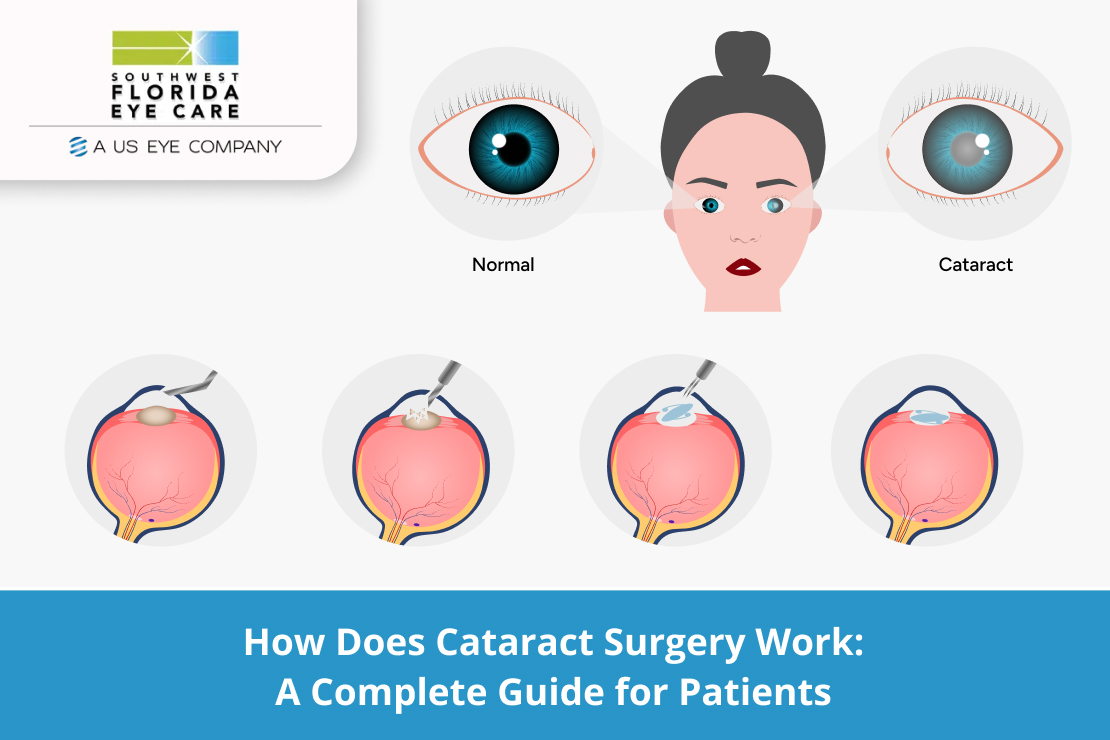
While the technology may vary depending on whether you choose traditional, ultrasound-assisted, or laser-assisted surgery, the steps are fairly similar:
- Eye preparation – Local anesthesia is applied to keep you comfortable. Your eye is cleaned and prepped for surgery.
- Creating an incision – Either a tiny blade or a femtosecond laser makes small, precise openings in the cornea.
- Breaking up the cataract – Ultrasound waves or laser energy are used to soften and fragment the cloudy lens.
- Removing the cataract – The broken-up lens pieces are gently suctioned out of the eye.
- Implanting an intraocular lens (IOL) – A clear artificial lens is inserted, chosen based on your unique prescription and lifestyle needs.
- Recovery and sealing – The incisions are so small that they often heal naturally without stitches.
This step-by-step process ensures that patients not only regain clarity but also often experience sharper vision than before cataract development.
What Happens During Cataract Surgery?
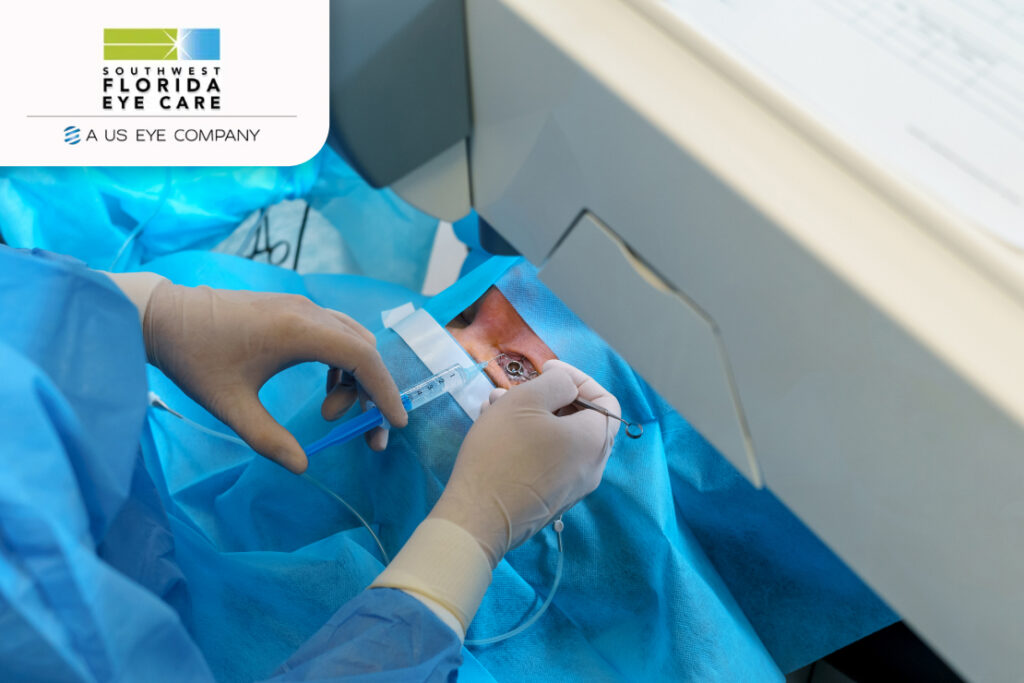
During the actual procedure, you’ll be awake but completely comfortable thanks to the anesthetic. The surgeon uses advanced imaging to guide precise incisions, either with a handheld tool or a femtosecond laser. The cloudy natural lens is then carefully broken apart and removed, and the artificial intraocular lens is positioned securely. Most patients describe the experience as “seeing bright lights” or “shapes moving” but not actual pain. Because the eye is numbed, you won’t feel the instruments or lens being inserted. Once complete, a protective shield is placed over your eye, and you’ll rest briefly before heading home the same day.
What Types of Intraocular Lenses (IOLs) Are Available?
Intraocular lenses (IOLs) are artificial lenses implanted during cataract surgery to replace the eye’s natural cloudy lens and restore vision. Different types of IOLs are designed to address specific vision needs, including distance, near vision, and astigmatism correction. The right lens choice depends on your eye health, lifestyle, and whether you want to reduce dependence on glasses after surgery.
Choosing the right IOL is a key part of the cataract surgery process, as it directly impacts your visual outcome.
Here are the main types:
Monofocal Lenses
- Provide clear vision at one distance (usually far)
- Most commonly used
- Glasses may still be needed for reading
Multifocal Lenses
- Designed for both near and distance vision
- Reduce dependence on glasses
- May cause halos or glare in some patients
Toric Lenses
- Specifically correct astigmatism
- Improve clarity and reduce distortion
Accommodating Lenses
- Shift focus naturally inside the eye
- Provide a more dynamic range of vision
Quick Fact: Premium IOLs, such as multifocal and toric lenses, can significantly reduce the need for glasses after surgery, depending on individual eye conditions.
(Source: aao.org)
Tip: Be honest about your lifestyle. If you spend a lot of time reading or using screens, your lens choice should reflect that.
Recovery
Recovery from laser cataract surgery involves a few postoperative visits to your ophthalmologist to ensure proper healing. During these visits, your doctor will examine your eye, assess your visual acuity, and measure your eye pressure to ensure the eye is healing.
Post-surgery care includes applying prescription antibiotics and anti-inflammatory eye drops several times a day to prevent infection and reduce inflammation. It is recommended to wear sunglasses outdoors to protect your healing eye from UV rays and assist with light sensitivity.
Still wondering, “How does cataract surgery work?” Speak with your local ophthalmologist to learn the pros and cons of laser surgery for cataracts. Explore various cataract surgery options in the blog “Is Laser Cataract Eye Surgery Right for You? Exploring Your Options” from SW FL Eye.
Please note that the suggestions provided in this blog are for general informational purposes only and may not be suitable for your specific insurance plan and cataract needs. It is important to consult a qualified healthcare professional for personalized advice and treatment.
What Are the Risks and Benefits of Cataract Surgery?
Cataract surgery is considered one of the safest and most effective surgical procedures, with a high success rate in restoring clear vision. The primary benefit is improved visual clarity, color perception, and overall quality of life. While complications are rare, potential risks include infection, inflammation, swelling, or secondary cataracts, which can typically be treated effectively if they occur.
Benefits of Cataract Surgery
- Clearer, sharper vision
- Improved color brightness and contrast
- Reduced glare and light sensitivity
- Greater independence from glasses (with advanced IOLs)
- Enhanced quality of life and daily functioning
Potential Risks (Rare but Possible)
- Infection or inflammation
- Swelling in the retina (macular edema)
- Posterior capsule opacification (secondary cataract)
- Increased eye pressure
- Minor visual disturbances (halos, glare)
Tip: Following post-surgery care instructions carefully is the best way to minimize risks and ensure optimal healing.
Frequently Asked Questions
Who is a good candidate for cataract surgery?
Cataract surgery is usually recommended when cloudy vision interferes with daily activities like reading, driving, or watching TV. Your eye doctor may also suggest surgery if the cataract makes it difficult to monitor or treat other eye conditions, such as diabetic retinopathy or macular degeneration. If your vision is still good, you may not need surgery right away, and it’s safe to wait until the timing is right for you.
What types of artificial lenses (IOLs) are available?
There are several types of intraocular lenses (IOLs) to choose from, including monofocal lenses (for distance vision), multifocal lenses (for both near and distance vision), accommodating lenses, and toric lenses (to correct astigmatism). Your eye doctor will help you select the best option based on your eye measurements, vision needs, and lifestyle.
How should I prepare for cataract surgery?
Preparation may include a pre-surgery eye exam, stopping certain medications, using prescribed eye drops, and fasting for several hours before the procedure. Your doctor will provide specific instructions tailored to your health and needs.
What is recovery like after cataract surgery?
Most patients experience clearer vision within a few days, though full recovery can take several weeks. You may need to use eye drops, wear a protective shield, and avoid strenuous activities. Follow-up visits with your eye doctor are important to monitor healing.
Are there risks or complications with cataract surgery?
Cataract surgery is generally very safe, but as with any surgery, there are potential risks. These can include infection, swelling, bleeding, vision loss, or a condition called secondary cataract (posterior capsule opacification), which can be treated with a quick laser procedure if it occurs.
Will I need glasses after cataract surgery?
Many people experience improved vision after cataract surgery, but you may still need glasses for certain tasks, depending on the type of IOL you receive and your individual vision needs.
How soon can I resume normal activities after cataract surgery?
Most people can return to light activities within a day or two, but you should avoid rubbing your eye, bending over, lifting heavy objects, swimming, or wearing eye makeup until your doctor says it’s safe.
What is a secondary cataract, and how is it treated?
A secondary cataract, or posterior capsule opacification, is a common condition where the membrane holding the artificial lens becomes cloudy after surgery. It can be quickly and painlessly treated with a laser procedure in your doctor’s office.
Does cataract surgery hurt?
The procedure is virtually painless. Local anesthesia is used to numb the eye, and patients typically feel only mild pressure or a sensation of touch. Mild discomfort or itching after surgery is normal and usually resolves quickly.
Can both eyes be treated at the same time?
If you have cataracts in both eyes, surgery is usually performed on one eye at a time, with the second surgery scheduled after the first eye has healed.
What are the steps involved in cataract surgery?
The main steps are:
- Local anesthesia is applied, and your eye is cleaned.
- A small incision is made in the cornea.
- The cloudy lens is broken up (using ultrasound or a laser) and gently removed.
- An artificial intraocular lens (IOL) is inserted.
- The incision is usually so small that it heals naturally without stitches.