
Table of Contents
Retina conditions can impact your vision and overall eye health in noticeable ways. Learning how various retinal conditions affect the eye and what their symptoms look like can help you detect these issues earlier and get the treatment you need sooner. This blog explores common retina conditions, their symptoms, and how treatment can preserve your vision.
Common Retina Conditions & Symptoms to Watch For
The retina is a thin layer of tissue at the back of the eye that transmits visual signals to the brain. Damage or disease affecting the retina can result in significant vision issues. Recognizing symptoms early is key to preventing further damage, and many symptoms overlap.
1. Diabetic Retinopathy
Symptoms
- Blurred vision
- Dark or empty areas in your vision
- Difficulty seeing in the dark
- Sudden vision loss
Overview
Diabetic retinopathy occurs when blood sugar levels are high, harming the retina’s blood vessels. This damage can lead to fluid or blood leakage over time, which can negatively affect vision.
2. Retinal Detachment
Symptoms
- Sudden onset of numerous floaters
- Flashes of light in one or both eyes (photopsia)
- Blurry vision
- Decreased peripheral vision
- A shadow resembling a curtain over your vision
Overview
According to the Mayo Clinic, retinal detachment is characterized by fluid under the retina. This usually occurs when fluid passes through a retinal tear, lifting the retina away from the underlying tissue layers. If untreated, it can cause long-lasting or permanent vision loss. Please seek immediate medical intervention if you experience any of the above symptoms.
3. Age-Related Macular Degeneration (AMD)
Symptoms
- Blurry or fuzzy vision
- Difficulty seeing in low-lighting
- Colors appear dimmer
- Straight lines appear wavy
- A dark or empty spot in the center of your vision
Overview
AMD affects the macula, the part of the retina responsible for central vision. It is the main cause of vision loss in people over 50. Early symptoms may be subtle, but as the condition progresses, it can significantly impact daily activities such as reading and driving.
The Role of Treatment in Retina Conditions
While corneal disease treatment primarily focuses on the front part of the eye, it can also contribute to overall eye health, including the retina. Corneal diseases can affect how light enters the eye, potentially exacerbating retinal problems and symptoms. For instance, corneal scarring or edema might distort vision, complicating the diagnosis or treatment of retinal conditions.
How Are Retina Conditions Diagnosed?
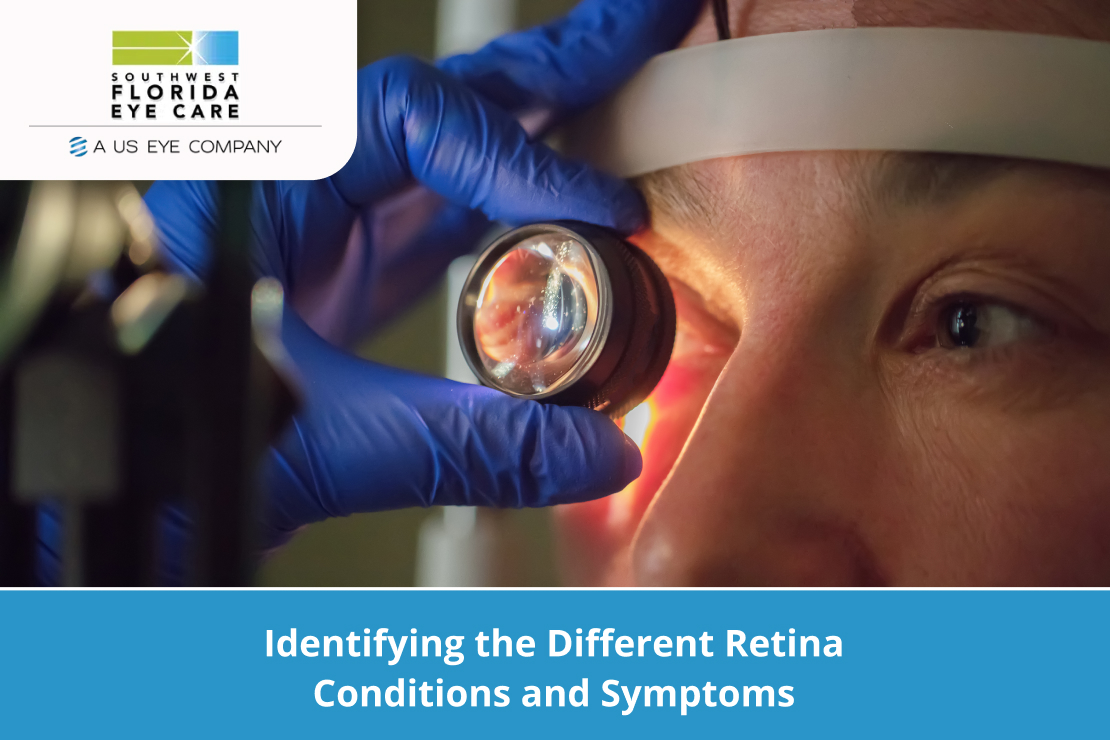
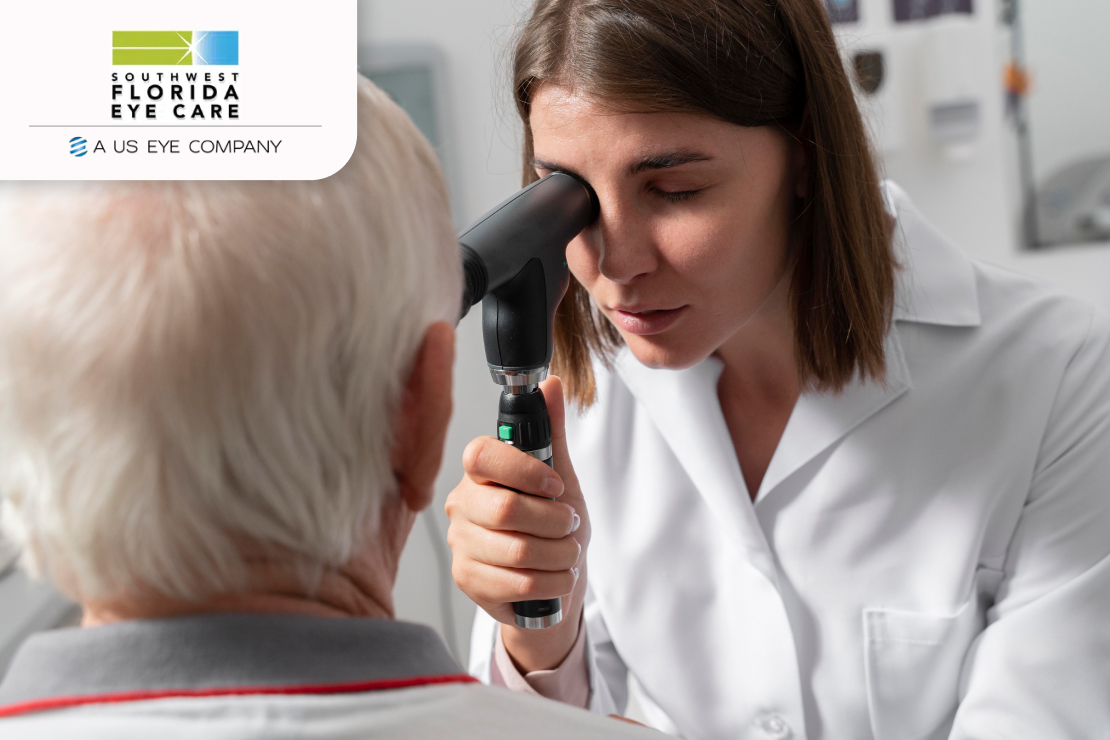
Retina conditions are diagnosed through comprehensive eye examinations that evaluate the retina’s structure and function, using advanced imaging and clinical tests. Early diagnosis is critical because many retinal problems develop gradually and may not show obvious symptoms until vision is affected. Eye specialists use a combination of visual tests and imaging tools to detect abnormalities, fluid buildup, or damage to retinal tissue.
To accurately diagnose retina conditions, eye doctors may use:
- Dilated Eye Exam: Allows a detailed view of the retina and optic nerve
- Optical Coherence Tomography (OCT): Captures cross-sectional images of the retina
- Fluorescein Angiography: Tracks blood flow in retinal vessels
- Visual Acuity Test: Measures clarity of vision
Tip: Even if you don’t notice vision problems, schedule routine eye exams annually, especially if you have diabetes or are over 50.
What Are the Treatment Options for Retina Conditions?
Treatment for retinal conditions depends on the specific diagnosis, disease severity, and progression, but early intervention can significantly slow or prevent vision loss. Modern ophthalmology offers a range of treatments, from non-invasive monitoring to advanced surgical procedures, aimed at preserving retinal function and improving visual outcomes.
Common treatment options include:
- Medications & Injections: Anti-VEGF injections help reduce abnormal blood vessel growth and fluid leakage
- Laser Therapy: Used to seal leaking blood vessels or prevent further retinal damage
- Vitrectomy Surgery: Removes vitreous gel to repair retinal detachment or severe damage
- Lifestyle & Disease Management: Controlling diabetes or blood pressure to prevent worsening
Tip: Early treatment leads to better outcomes. Delaying care can result in permanent vision loss in many retinal conditions.
Prevention & Monitoring
Recognizing early signs of retinal problems and seeking prompt treatment is essential for maintaining eye health. Here are some tips to protect your vision:
– Regular Eye Exams: Routine eye exams can catch retina conditions early, even before symptoms appear.
– Manage Chronic Conditions: If you have diabetes or hypertension, controlling these conditions is crucial to prevent retinal damage.
– Protect Your Eyes: Wearing sunglasses and using protective eyewear can help prevent injury and reduce the risk of retina damage.
Identifying the different retina conditions and symptoms is key to preventing vision loss and maintaining eye health. If you experience any retina problems or symptoms, contact a specialist for an evaluation and personalized care plan.
Southwest Florida Eye Care provides comprehensive eye care to diagnose and treat retinal conditions. Schedule an appointment with us today to ensure your eyes receive the attention they deserve.
Frequently Asked Questions
What are the earliest signs of retinal disease?
The earliest signs of retinal disease often include subtle changes in your vision that can be easy to overlook. Common early symptoms include blurry or distorted vision, seeing floaters (small spots or threads drifting across your field of vision), flashes of light, and difficulty seeing in low-light conditions. You may also notice colors appearing less vibrant or a gradual loss of peripheral (side) vision. Because these symptoms may develop slowly or seem minor at first, regular eye exams are essential for early detection.
Are floaters always a sign of a retinal problem?
Not always. Floaters are small shapes or shadows that move across your field of vision and are often a normal part of aging as the gel inside the eye changes over time. However, a sudden increase in floaters—especially when accompanied by flashes of light or a shadow in your vision—can be a warning sign of a retinal tear or detachment. If you notice a sudden change or new floaters, it’s important to have your eyes examined promptly to rule out serious retinal conditions.
Can retinal problems be treated without surgery?
Some retinal problems can be managed without surgery, especially when detected early. Treatment options may include medications, laser therapy, or injections to reduce swelling or control abnormal blood vessel growth. For example, certain cases of diabetic retinopathy or early age-related macular degeneration can be treated with medications or laser treatments rather than surgery. However, more advanced conditions, such as retinal detachment, often require surgical intervention to prevent permanent vision loss.
How fast do retinal conditions progress?
The progression of retinal conditions varies widely depending on the specific disease and individual factors. Some conditions, like age-related macular degeneration or diabetic retinopathy, may develop gradually over months or years. Others, such as retinal detachment or tears, can progress rapidly—sometimes within hours or days—and require immediate medical attention. Regular monitoring and prompt evaluation of any new symptoms are key to protecting your vision.
Who is at higher risk for retinal diseases?
Several factors can increase your risk for retinal diseases. These include aging, diabetes, high blood pressure, a family history of retinal conditions, severe nearsightedness (myopia), previous eye injuries or surgeries, and certain lifestyle factors such as smoking. Managing chronic health conditions, protecting your eyes from injury, and attending regular eye exams are important steps in reducing your risk.