
Table of Contents
When was the last time you had a full eye exam, not just a quick vision screening, but a complete, thorough check-up with an eye care professional?
If your answer is, “It’s been a while,” you’re not alone. Many people think of eye exams as something to do only when they need a new glasses prescription. But, your eyes are one of the only places in your body where a doctor can directly see blood vessels, nerves, and connective tissues without making a single incision.
That’s why eye exams can do much more than test your vision. They can actually help detect early signs of serious health problems—conditions like high blood pressure, diabetes, heart disease, and even some types of cancer, sometimes before you’ve felt a single symptom.
In fact, for many patients, the very first clue that something might be wrong elsewhere in the body starts with a routine visit to the eye doctor.
Let’s walk through 20 health conditions detected by eye exams during a comprehensive or senior eye exam.
Whether you’re caring for your own health or looking out for a loved one, especially someone over 60, this information about diseases diagnosed through eye exams can empower you to take the next right step.
Why the Eyes Reveal So Much
Your eyes are the only place in the body where doctors can see both nerves and blood vessels without making an incision. That makes them a powerful diagnostic tool.
A comprehensive eye exam doesn’t just assess your ability to see clearly; it includes:
- Retinal imaging
- Dilated pupil evaluation
- Optic nerve analysis
- Blood vessel inspection
These tests allow doctors to identify changes in blood flow, nerve structure, pressure levels, and inflammation, all of which can reflect underlying systemic health issues.
1. High Blood Pressure (Hypertension)
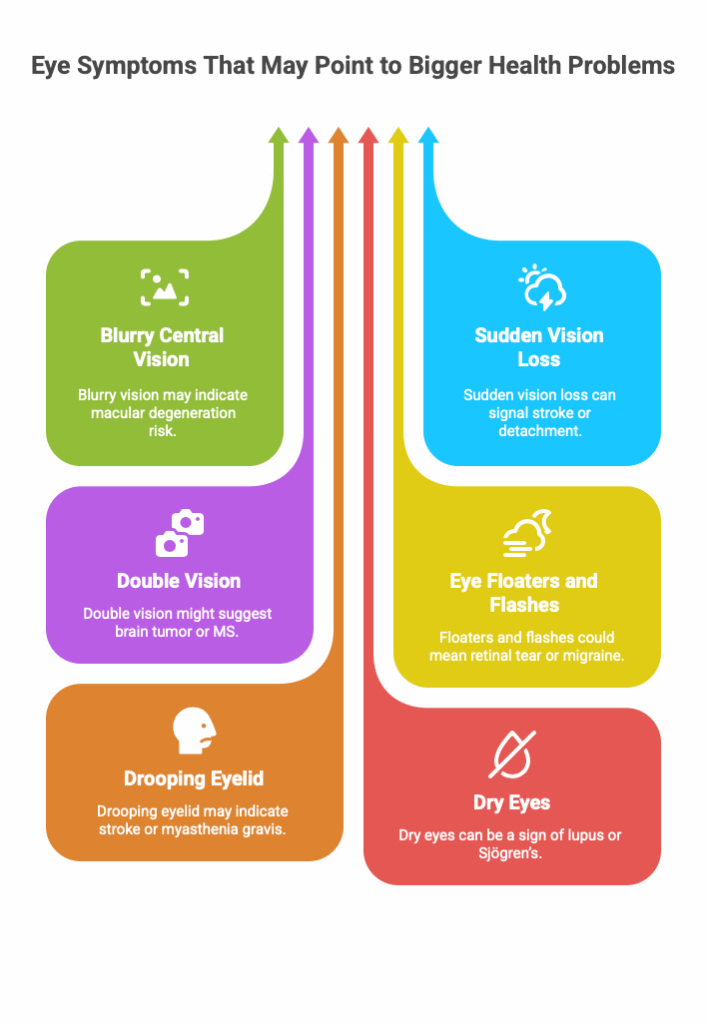
High blood pressure, often called the “silent killer,” rarely causes obvious symptoms until it leads to a serious health issue like a heart attack or stroke. But did you know it can silently affect your eyes as well? During a comprehensive eye exam, your eye doctor may spot subtle signs of hypertension by examining the blood vessels in the back of your eye. These vessels can appear narrowed, twisted, or even leaking.
According to the Centers for Disease Control and Prevention (CDC), about 47.7% of adults in the United States have high blood pressure. Among older adults, the number is even higher. If high blood pressure goes untreated, it can damage not only your eyes but also your heart, kidneys, and brain. Eye exams give doctors a unique window into your vascular system, sometimes spotting trouble even before your primary care doctor does.
2. Diabetes & Diabetic Retinopathy
Diabetes affects your entire body, including your eyes. One of the earliest warning signs of diabetes-related complications is diabetic retinopathy, a condition where high blood sugar damages the small blood vessels in the retina. This can cause fluid leakage, retinal swelling, or even bleeding inside the eye.
Eye doctors are often the first to detect signs of diabetes. It’s not uncommon for patients to learn they have diabetes after a routine eye exam. Diabetic retinopathy is the leading cause of blindness in working-age adults in the U.S. But, early detection through regular eye exams can prevent up to 90% of diabetes-related vision loss.
3. Glaucoma
Glaucoma is often called the “silent thief of sight” because it causes gradual, irreversible vision loss without early symptoms. It damages the optic nerve, typically due to increased pressure in the eye.
During a comprehensive eye exam, your doctor can measure eye pressure and inspect the optic nerve for subtle changes. Using imaging technology, they can detect damage long before you notice any vision loss.
The National Eye Institute reports that over 3 million Americans have glaucoma, but half of them don’t know it yet. For older adults, regular screening is critical. Early detection of glaucoma can slow or even stop progression, preserving your vision.
If you’re curious about how glaucoma and other retina-related issues can affect your eyesight, you may also want to explore our post on Identifying the Different Retina Conditions and Symptoms.
4. Heart Disease
Your eyes can also reveal signs of cardiovascular disease. When examining the retina, your doctor might notice blockages, narrowed arteries, or microbleeds, all of which can signal poor heart health. Many studies found that certain patterns in retinal blood flow were linked with higher risk of heart attacks and stroke.
These tiny blood vessel changes may look like past “eye strokes” and could be the first indicator that your heart isn’t functioning optimally. If your eye exam reveals such signs, your doctor may recommend seeing a cardiologist.
5. High Cholesterol
High cholesterol may show up in your eyes before you know there’s an issue. One common sign is a gray, blue, or yellow ring around the cornea, especially in patients under 40.
Another indicator is fatty deposits inside the retina, known as Hollenhorst plaques, which can sometimes break off and block blood flow.
Left untreated, high cholesterol raises your risk of stroke and heart attack. Catching these signs during an eye exam can lead to earlier testing and treatment, helping you stay ahead of serious complications.
6. Stroke or Eye Stroke
Your retina shares blood supply characteristics with your brain, which means blockages in the retina can be an early sign of an impending stroke. A retinal artery occlusion (also called an “eye stroke”) can cause sudden vision loss or blind spots.
Eye doctors can identify signs of past or current retinal strokes through imaging. These findings often prompt urgent referrals for a brain scan or vascular testing.
7. Brain Tumors and Aneurysms
Increased pressure inside the skull from a brain tumor or aneurysm can cause visible swelling in the optic nerve. This swelling, called papilledema, is detectable during a dilated eye exam. Symptoms like side vision loss, double vision, or unequal pupil sizes can also hint at underlying neurological issues.
While rare, these conditions are serious. An eye exam might be your first line of defense in identifying a tumor or aneurysm before more severe symptoms develop.
8. Autoimmune Conditions (RA, Lupus, Sarcoidosis)
Autoimmune diseases can manifest in the eyes as inflammation, redness, pain, or dryness. In rheumatoid arthritis (RA), for example, the white part of the eye may become inflamed, a condition called scleritis. Lupus and sarcoidosis can cause similar symptoms, and they may also affect the retina.
Since these conditions involve systemic inflammation, the eye often serves as an early warning system. If your eye doctor sees recurring inflammation or vascular changes, they may refer you to a rheumatologist.
9. Thyroid Disease (Graves’ Disease)
Thyroid dysfunction, especially Graves’ disease, can cause the eyes to appear bulging or pushed forward. Patients may also experience dry eye, tearing, or double vision. These changes, known as thyroid eye disease, are typically visible during a routine eye exam.
According to a study, Graves’ disease affects nearly 1 in 100 Americans. About 4 out of 5 cases of hyperthyroidism in the United States are caused by Graves’ disease. A timely diagnosis allows for better thyroid control and targeted eye care.
10. Multiple Sclerosis (MS)
MS is a chronic neurological condition that can affect vision by inflaming the optic nerve, a symptom known as optic neuritis. Patients may report blurry vision, eye pain, or even temporary blindness in one eye.
Your eye doctor can detect optic nerve swelling or loss of function using specialized tests. If MS is suspected, they’ll refer you for further neurological evaluation, including MRI.
11. Giant Cell Arteritis (GCA)
GCA is a serious inflammatory condition of the blood vessels that most commonly affects older adults. Symptoms can include headaches, scalp tenderness, jaw pain, and most dangerously, sudden vision loss.
During a comprehensive eye exam, your ophthalmologist may detect signs of restricted blood flow to the optic nerve. If untreated, GCA can cause irreversible blindness in one or both eyes. Immediate diagnosis and treatment with corticosteroids are crucial.
12. Vitamin A Deficiency
Vitamin A is essential for maintaining a healthy cornea and retina. A deficiency in this vitamin can cause dry eyes, night blindness, and more severe complications like corneal ulcers.
Though rare in the U.S., vitamin A deficiency still occurs in individuals with dietary restrictions or malabsorption syndromes. Eye exams can identify corneal dryness and retinal changes that suggest nutritional deficits. Early intervention can restore visual function and prevent lasting damage.
13. Medication Side Effects
Several medications can have adverse effects on your eyes, particularly with long-term use. For example, corticosteroids can raise intraocular pressure (leading to glaucoma), and certain antimalarial drugs (like hydroxychloroquine) can be toxic to the retina.
Your eye doctor can monitor for signs of drug-related toxicity using tools like OCT scans or visual field tests. Catching these effects early allows for medication adjustments and protects your long-term vision.
14. Lyme Disease
Lyme disease, caused by tick-borne bacteria, can affect multiple organs—including the eyes. Patients with Lyme disease may experience floaters, light sensitivity, or inflammation of the optic nerve.
Eye exams can detect early signs of infection-related inflammation, prompting further testing and antibiotic treatment. Early detection is especially critical since Lyme disease can cause recurring or chronic symptoms if untreated.
15. Sickle Cell Disease
This inherited blood disorder causes red blood cells to become misshapen, reducing oxygen delivery throughout the body—including the eyes. In the retina, this can result in hemorrhages, blockages, and abnormal blood vessel growth.
Ocular complications from sickle cell disease may include sudden vision loss, retinal detachment, or glaucoma. Regular eye exams are vital for patients with this condition to manage and prevent severe complications.
16. Myasthenia Gravis
This rare neuromuscular disorder often begins with eye-related symptoms, such as drooping eyelids (ptosis) and double vision. These signs worsen with activity and improve with rest.
An eye doctor can observe these changes during a physical exam and may recommend additional testing. Diagnosing myasthenia gravis early allows for effective treatment and helps prevent muscle weakness in other parts of the body.
17. Sexually Transmitted Diseases (STDs)
Several STDs, including herpes, chlamydia, syphilis, and HIV, can cause inflammation in various parts of the eye. These symptoms may include redness, pain, blurred vision, and sensitivity to light.
Your eye doctor may detect inflammation, retinal lesions, or damage that suggests an underlying infection. With early detection, patients can receive appropriate care and avoid permanent vision loss.
18. Cancer (Ocular and Metastatic)
Eye exams can reveal both primary eye cancers (like ocular melanoma) and metastatic cancers that have spread from other areas, such as the breast or lung. These may appear as tumors, pigment changes, or bleeding within the eye.
Routine dilated eye exams allow doctors to detect abnormal growths early, which can lead to prompt biopsies and treatment.
19. Clotting Disorders and Vascular Disease
Blood clotting or bleeding disorders can lead to retinal hemorrhages, swollen blood vessels, or burst capillaries. Patients with conditions like hemophilia or deep vein thrombosis (DVT) may show eye signs before a diagnosis is made.
If a clot or bleeding is found during an eye exam, your doctor may recommend blood tests or refer you to a hematologist.
20. Age-Related Macular Degeneration (AMD)
AMD affects the macula, the part of the retina responsible for sharp central vision. Early signs include blurry central vision, difficulty recognizing faces, and seeing straight lines as wavy.
As the leading cause of vision loss in adults over 60, AMD is best managed when caught early. Your eye doctor can identify drusen (tiny yellow deposits) and other changes during a routine exam, allowing for early intervention and lifestyle adjustments.
Why Seniors Should Prioritize Eye Exams
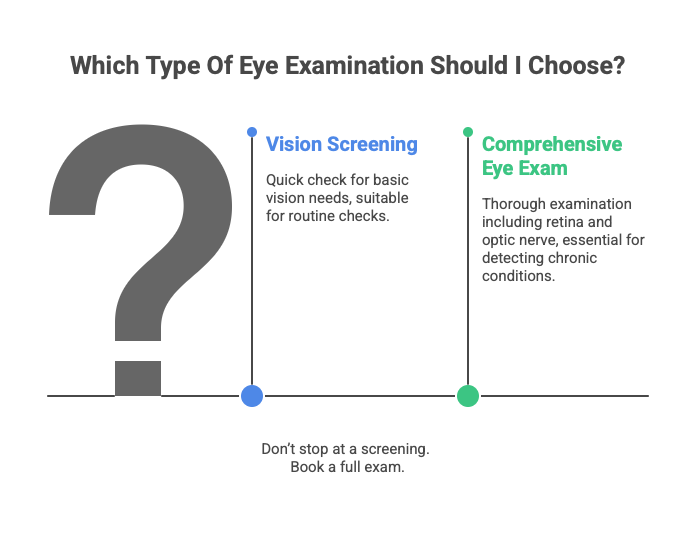
As we age, our risk of developing these health issues increases. A senior eye exam goes deeper than standard vision checks, it includes:
- Dilated retinal evaluation
- Intraocular pressure testing
- Screening for systemic diseases
The American Academy of Ophthalmology recommends:
- Baseline eye exam at age 40
- Yearly exams after 65
- More frequent exams if diabetic, hypertensive, or at risk for eye disease
Conclusion: A Simple Eye Exam, A Powerful First Step
By now, it’s clear that a routine eye exam is anything but routine.
It’s a quiet, often-overlooked gateway to discovering the earliest signs of some of the most serious health issues we face—from chronic diseases like diabetes and hypertension to neurological and autoimmune disorders, and even some cancers.
The beauty of a comprehensive eye exam is that it’s non-invasive, quick, and widely accessible. Yet its diagnostic power is immense, especially for seniors and adults over 40, where early detection can dramatically influence long-term health outcomes.
For many, their eye doctor becomes the first healthcare provider to raise a red flag. That one appointment and disease diagnosed through eye exam, can lead to life-saving care and better quality of life.
So if it’s been a while since your last eye exam, or if someone you care about hasn’t had one recently, consider this a gentle nudge. Your eyes might be the first to notice something your body hasn’t told you yet.
Schedule an eye exam or senior eye exam today.
Frequently Asked Questions
1. How often should Seniors get a Comprehensive Eye Exam?
The American Academy of Ophthalmology recommends a baseline eye exam at age 40, and yearly exams after age 65. People with diabetes, hypertension, or a family history of eye disease may need more frequent check-ups.
2. What should I expect during a Comprehensive Eye Exam?
A comprehensive eye exam goes beyond checking your vision. It includes dilated retinal evaluation, optic nerve assessment, intraocular pressure measurement, and blood vessel inspection—all of which help detect both eye and systemic health issues.
3. Are there any symptoms that mean I should schedule an Eye Exam right away?
Yes. Sudden changes in vision, eye pain, flashes of light, new floaters, or loss of side vision should prompt an immediate appointment. These could signal serious conditions like retinal detachment, stroke, or acute glaucoma.
4. What diseases can be detected earliest through an Eye Exam?
Conditions like diabetic retinopathy, high blood pressure, high cholesterol, and even some brain tumors can show up in the eyes before symptoms appear elsewhere. Early detection through eye exams can lead to earlier intervention and better outcomes.
5. Does insurance cover Comprehensive Eye Exams for seniors?
Coverage varies by plan and location. Many vision insurance plans, Medicare, or Medicaid may cover comprehensive eye exams, especially if you have a diagnosed medical condition. Check with your provider for details.
6. Are eye exams safe for people with chronic health conditions?
Yes. Eye exams are non-invasive and safe for people with chronic conditions. In fact, they are especially important for those managing diabetes, hypertension, or autoimmune diseases.
7. Can children or younger adults benefit from Comprehensive Eye Exams?
Absolutely. While this article focuses on seniors, comprehensive eye exams are beneficial at any age, especially for those with risk factors or a family history of eye or systemic diseases.