
Table of Contents
Are you afraid that LASIK eye surgery might be painful?
If that question has stopped you from moving forward with the idea of better vision, you’re not alone. Many people feel nervous before eye surgery — especially when they imagine something sharp near their eyes. But the truth is, LASIK is one of the safest and most comfortable vision correction surgeries available today.
In fact, over 40 million LASIK procedures have been performed worldwide, and the satisfaction rate is more than 95%. That means millions of people have already made the choice — and most would do it again.
So, what does LASIK actually feel like? Is there any pain?
Let’s break it all down in clear, simple terms so you can decide if this is the right step for you.
What Is LASIK?
LASIK (Laser-Assisted In Situ Keratomileusis) is a type of refractive surgery used to correct common vision problems like:
- Nearsightedness (myopia)
- Farsightedness (hyperopia)
- Astigmatism
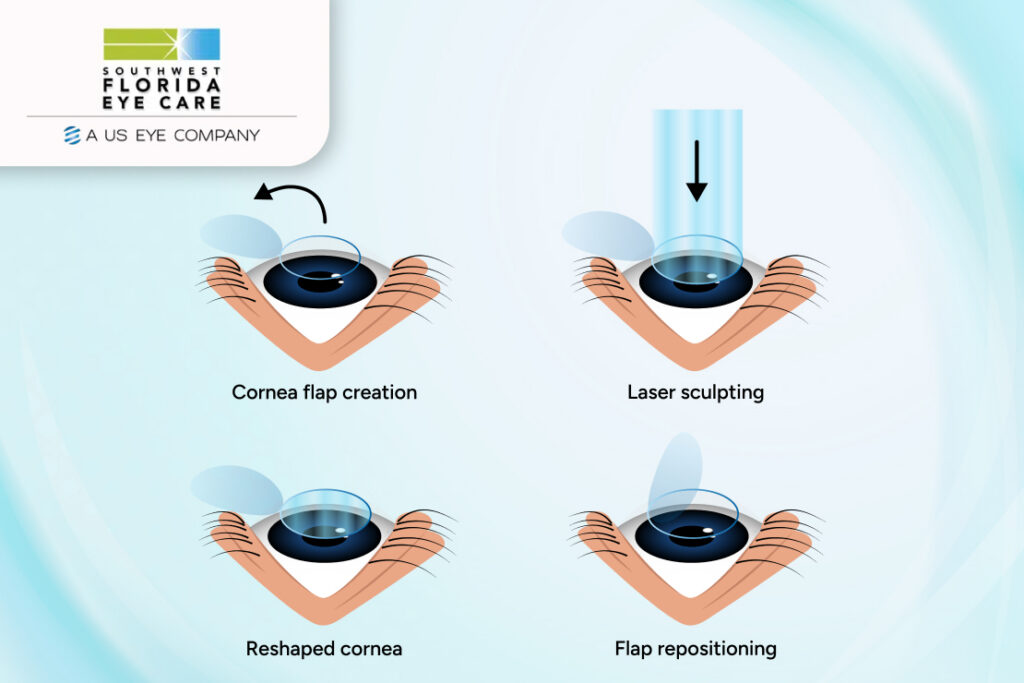
It works by reshaping your cornea — the clear front part of your eye — so that light focuses correctly on your retina. When the cornea is the right shape, your vision becomes clearer without needing glasses or contacts.
LASIK is quick, usually lasting less than 15 minutes per eye, and most patients see major improvements within 24 to 48 hours.
Does LASIK Hurt During the Procedure?
Let’s get straight to the point:
No — LASIK eye surgery does not hurt.
Thanks to numbing eye drops, you won’t feel pain during the procedure. You may feel slight pressure when the surgeon creates a flap in your cornea, but it’s not painful. Many patients describe the feeling as “weird” or “strange” — but never as painful.
Here’s a breakdown of what you may feel at each stage:
Before LASIK: Numbing the Eye
- Your eye doctor will give you special numbing drops.
- These drops take away all feeling in your eye — no needles or injections.
- You’ll be awake, but you won’t feel pain.
You may be given a mild sedative to help you relax, especially if you’re nervous.
During LASIK: A Quick Procedure
- You’ll lie on a comfortable bed under a laser machine.
- Your eye will be held open gently (you won’t need to worry about blinking).
- You may feel light pressure for a few seconds — that’s when the flap is created.
- Then the laser reshapes your cornea. This part takes less than a minute.
Most people say the laser part is totally painless. You may notice a light smell (from the laser) or hear some clicking sounds.
After LASIK: Mild Discomfort, Not Pain
Once the numbing drops wear off (a few hours later), some people feel:
- Mild burning or stinging
- A gritty feeling (like something is in your eye)
- Watery eyes
- Light sensitivity
This usually lasts 4 to 6 hours and is very manageable. Most people take a nap and wake up feeling better.
For a full guide on what recovery feels like, read: The Day After LASIK: What to Expect
Pain After LASIK
The First Day:
- Rest your eyes as much as possible.
- Avoid screens, bright lights, and rubbing your eyes.
- You’ll be given eye drops to prevent dryness and infection.
- Most people see clearer vision the very next day.
The First Week:
- Avoid swimming, eye makeup, and dusty environments.
- Don’t touch or rub your eyes.
- You’ll return for a follow-up visit to check your healing.
Within a week, you’ll likely feel completely normal.
Is LASIK Safe?
Yes — when performed by experienced eye surgeons, LASIK is very safe.
The procedure uses advanced laser technology and has been perfected over the years. At Southwest Florida Eye Care, we use the latest diagnostic tools and laser systems to make sure your treatment is as accurate and comfortable as possible.
To get the best results, start with the right prep — here’s what you should do (and avoid) before LASIK surgery.
How Can You Manage Discomfort After LASIK?
LASIK recovery discomfort is usually mild and temporary, and most symptoms can be managed effectively with proper aftercare, prescribed eye drops, and short periods of rest. Following post-procedure guidelines helps reduce irritation, dryness, and sensitivity, and supports faster healing.
Even though LASIK isn’t painful, managing the short recovery phase properly makes a big difference in comfort.
Here’s how to make it easier:
- Use your prescribed eye drops consistently – These help prevent dryness, reduce inflammation, and protect against infection.
- Rest your eyes immediately after surgery – Most doctors recommend going home and sleeping for a few hours.
- Avoid screens for the first 24 hours – Phones, TVs, and laptops can strain your eyes and increase dryness.
- Wear protective eye shields if advised – This prevents accidental rubbing while sleeping.
- Stay in low-light environments initially – Your eyes may be sensitive to bright light for a few hours.
Tip: Keep artificial tears handy even after the first week. Dryness can come and go during early healing.
LASIK Risks vs. Benefits: What Should You Really Consider?
LASIK eye surgery offers high success rates and long-term vision correction benefits, but, like any procedure, it carries potential risks. Understanding both sides helps you make a confident and informed decision.
Benefits of LASIK
- Clear vision without glasses or contacts: Most patients achieve 20/20 vision or better.
- Quick procedure and fast recovery: The surgery takes minutes, and vision improves within 1–2 days.
- Long-lasting results: For most people, results are permanent.
- Improved lifestyle convenience: no more dependence on corrective lenses for daily activities.
Risks of LASIK
As with any surgery, LASIK has some risks, though they are rare. These may include:
- Dry eyes (usually temporary)
- Night glare or halos
- Undercorrection or overcorrection (may need a touch-up)
- Infection (very rare)
Tips Before Booking LASIK Surgery
Preparing for LASIK eye surgery starts with thorough research, a medical evaluation, and an understanding of your eligibility. Taking the right steps before booking helps ensure better results, fewer risks, and a smoother recovery experience.
Before you schedule your LASIK procedure, take a few important steps:
- Get a comprehensive eye exam – Not everyone is a candidate for LASIK. Your eye health, corneal thickness, and prescription stability all matter.
- Ask about the technology being used – Modern laser systems improve accuracy and outcomes.
- Understand the surgeon’s experience – Experience plays a big role in safety and results.
- Discuss your expectations clearly – LASIK improves vision significantly, but it may not guarantee “perfect” vision for everyone.
- Review pre-surgery instructions carefully – You may need to stop wearing contact lenses days or weeks before surgery.
Tip: Always ask about the staff to patient ratio and post-surgery support. Good follow-up care is just as important as the procedure itself.
Final Thoughts: Is Fear of Pain Holding You Back?
Now that you know LASIK eye surgery is safe, effective, and virtually painless, what’s keeping you from taking the leap?
At Southwest Florida Eye Care, we’re here to guide you every step of the way. We understand how important your vision is — and how personal this decision can be.
We’ll answer all your questions and help you feel 100% confident about your choice.
Contact us today to schedule your consultation. Let’s answer your eye care services questions, address your concerns, and help you achieve the clear vision you deserve.
**Disclaimer: The information provided in this blog is for general informational purposes only and should not be considered a substitute for professional medical advice. LASIK is a surgical procedure that may not be suitable for everyone. If you are experiencing vision problems or considering LASIK, consult with a qualified eye care professional for a comprehensive evaluation and personalized guidance. Only a licensed healthcare provider can determine if LASIK is the right option for you and provide tailored advice based on your unique needs.**
Frequently Asked Questions
Is there pain after LASIK surgery?
Most people do not experience pain after LASIK surgery. However, it’s normal to feel some mild discomfort once the numbing drops wear off. Typical sensations include a slight burning, stinging, or gritty feeling in your eyes for several hours after the procedure. This is temporary and usually improves after a good rest.
Are pain medications needed after LASIK?
Generally, pain medications are not needed after LASIK. Most patients find that any discomfort can be managed with over-the-counter pain relievers, if necessary. Your surgeon may recommend artificial tears or prescribe specific eye drops to ease irritation and support healing. If you experience significant pain (which is rare), contact your eye doctor right away.
Does everyone experience dry eyes after LASIK?
It’s common to experience some dryness in your eyes after LASIK, but not everyone notices it. Most people experience temporary dry eye symptoms, such as scratchiness or a sandy feeling, especially in the first few weeks. Your doctor will provide lubricating eye drops to keep your eyes comfortable and help with healing. For the majority, these symptoms fade over time.
What sensations are normal after LASIK?
After LASIK, it’s normal to have:
- Mild burning or stinging
- A gritty or sandy feeling in the eyes
- Watery eyes
- Light sensitivity
- Blurry vision for the first few hours
These sensations are part of the healing process and usually resolve within a day or two. If you’re unsure about what you’re feeling, reach out to your care team for reassurance.
When should I call my doctor after LASIK?
Contact your doctor right away if you experience:
- Severe or worsening pain
- Sudden vision loss or a dramatic decrease in vision
- Increased redness, swelling, or discharge from your eyes
- Persistent light sensitivity or halos that do not improve
Your eye care team will also schedule follow-up visits to monitor your healing. Never hesitate to call if you have questions or concerns about your recovery.