
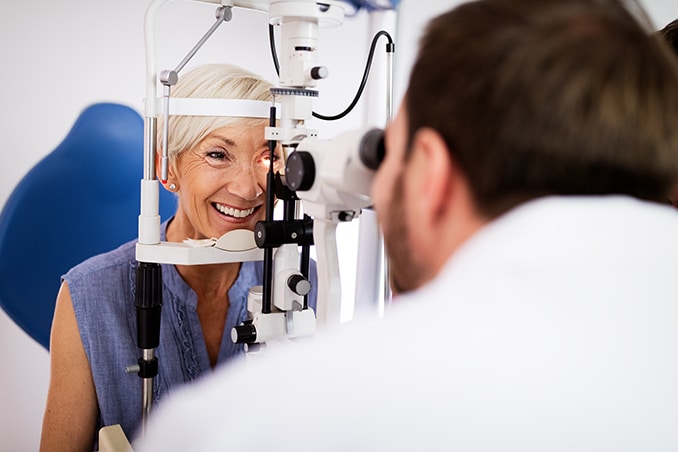
What is Glaucoma?
Glaucoma is an eye disease that causes damage to the optic nerve and can gradually rob you of your sight without warning or visible symptoms. The optic nerve is essential to good vision because it is the ‘cable’ that carries to the brain the images we see. When this cable is damaged, vision is lost, and hence, requires advanced glaucoma treatment.
Types of Glaucoma
Glaucoma affects about 10 million Americans. The two most frequently occurring types of glaucoma are Open Angle Glaucoma, which typically has no symptoms and no early warning signs, and Angle Closure Glaucoma, which is indicated by a rapid spike in intraocular pressure.
Each type has different glaucoma laser surgery treatment options. Glaucoma can also occur as the result of an eye injury, inflammation, tumor, or in advanced cases of cataracts or diabetes. It can also be caused by certain drugs, such as steroids.
Who is at risk?
Anyone can develop glaucoma, though it is more common in those over 60 years old. African Americans are at higher risk for glaucoma, as are those with diabetes, high blood pressure, or a family history of the disease. Southwest Florida Eye Care recommends that everyone over the age of 40 get a dilated eye exam with glaucoma specialists once a year to check for signs.
How do you treat glaucoma?
Loss of vision occurs when the eye pressure is above what the optic nerve can tolerate. Optic nerve tissue is progressively lost, causing a reduction in peripheral vision in the early stages. Central vision is damaged in the late stages. Visual field testing and optic nerve imaging can determine the amount of glaucoma damage.
Laser treatment for glaucoma involves the reduction of eye pressure from 30-50% of the pretreatment level. Eye drops can be prescribed to help drain fluid from the eye or decrease the amount of fluid the eye produces. There are a number of different laser surgeries that can lower pressure by increasing the drainage of fluid from the eye. The type of glaucoma laser surgery performed will depend on the type of glaucoma. The treatments are very quick and virtually painless.
When medicines and laser surgeries do not control glaucoma adequately, glaucoma specialists may recommend a glaucoma filtering surgery (trabeculectomy) or tube shunt surgery to lower the eye pressure. This is performed as an outpatient procedure.
If you are at risk for glaucoma, it is important to get a comprehensive, dilated eye exam at least once a year. If you have been diagnosed with glaucoma, it is important to follow the doctor’s recommendation, take your medications as prescribed, and return for follow-up to make sure the glaucoma is adequately controlled.
FAQs
Is glaucoma laser surgery painful?
Glaucoma laser surgery is typically painless. Most patients feel only mild discomfort during the procedure. Afterward, there may be a slight irritation, but this usually resolves within a few hours with proper care and prescribed medications.
How long does laser treatment for glaucoma last?
Laser treatment for glaucoma can provide long-lasting results, but its effectiveness may vary. Some patients may need additional treatments over time. Regular follow-up exams with our glaucoma specialists will ensure the condition is well-managed.
Can glaucoma be cured permanently?
Currently, there is no permanent cure for glaucoma. Treatment options focus on controlling the condition and preventing further vision loss. Early detection and consistent treatment are key to managing glaucoma and preserving vision.
What is the recovery time after glaucoma laser surgery?
Recovery time after glaucoma laser surgery is usually quick. Most patients can resume normal activities within a day or two, but it’s essential to follow post-operative care instructions. Some discomfort or redness may occur but typically resolves within a few days.
How quickly does glaucoma cause vision loss?
Glaucoma typically causes gradual vision loss, beginning with peripheral vision. It can progress over time without noticeable symptoms. Early detection through regular eye exams is crucial in managing the condition and preventing significant vision loss.