
Table of Contents
For many patients, deciding to proceed with cataract surgery is not only about diagnosing the condition but also about choosing the most appropriate time of year. Cataracts develop slowly, and symptoms may be easy to tolerate at first. However, delaying treatment can gradually affect independence, safety, and overall quality of life. This is why understanding the best time for cataract surgery is an important part of informed decision-making. January and February are commonly chosen months for cataract procedures across the United States. This article explains why early-year surgery is often preferred, how cataracts affect vision, what benefits surgery provides, how long recovery typically takes, and when cataract surgery should not be postponed. The goal is to help patients make confident, timely decisions about their eye health.
What Is the Best Time of Year for Cataract Surgery?
There is no medically established best time of year for cataract surgery. January and February can be convenient for patients planning around holidays, insurance coverage, and winter routines, including those considering cataract surgery in Florida. However, the right time depends on your vision symptoms, overall eye health, and your surgeon’s recommendations. Seasonal convenience should not outweigh your individual medical needs.
- Cataracts develop gradually, but vision loss caused by cataracts does not improve without surgery.
- Choosing the best time for cataract surgery can improve comfort, recovery experience, and long-term vision outcomes.
- January and February offer practical advantages, including easier scheduling, predictable routines, and favorable recovery conditions.
- Early treatment provides faster cataract vision improvement, reduces safety risks, and supports independence.
- Delaying surgery can worsen cataract symptoms, affect daily activities, and increase surgical complexity.
- Understanding recovery timelines and proper eye surgery timing helps patients plan with confidence and avoid unnecessary vision decline.
Have you been experiencing blurred vision, glare from headlights, or difficulty seeing clearly and wondering whether now is the right time to consider cataract surgery?
Cataract surgery is one of the safest and most frequently performed procedures in modern medicine. Advances in surgical techniques have made outcomes highly predictable, with most patients achieving meaningful cataract vision improvement shortly after treatment. While the procedure itself is brief, the timing of surgery plays an important role in recovery comfort, scheduling convenience, and long-term satisfaction.
Choosing the best time for cataract surgery allows patients to:
- Plan recovery with minimal disruption to daily life
- Avoid worsening visual limitations
- Reduce safety risks related to poor vision
- Achieve earlier improvements in independence and quality of life
Many patients delay surgery because cataract symptoms progress slowly. However, vision loss caused by cataracts does not reverse on its own. Understanding appropriate eye surgery timing helps patients act before vision problems significantly interfere with daily activities.
Why January and February Can Be Convenient for Cataract Surgery
January and February are among the most popular months for cataract surgery. This preference is driven by medical, lifestyle, and practical factors that support both laser treatment for cataracts and recovery.
Benefits of Planning Cataract Surgery Early in the Year
Beginning the year with improved vision allows patients to experience the benefits of surgery throughout the year. Addressing cataracts early reduces months of unnecessary visual limitation.
Patients who undergo surgery early often report:
- Improved confidence with driving
- Greater ease with reading and work tasks
- Reduced eye strain and fatigue
For these reasons, many patients consider early winter the best time for cataract surgery.
How to Schedule Cataract Surgery Around Winter Plans
Appointment availability varies by practice and time of year. Patients may find:
- Available consultation appointments that fit their schedules
- Easier scheduling of surgery dates
- More flexible follow-up appointments
This flexibility allows smoother planning and supports ideal eye surgery timing, particularly for patients who prefer structured recovery.
Planning Cataract Surgery Recovery Around Winter Activities
Cataract surgery does not require long-term rest, but it does benefit from a stable routine. Winter months often involve fewer outdoor activities and less travel, which helps patients focus on healing.
January and February planning considerations include:
- Planning around exposure to dust and allergens
- Less pressure to participate in strenuous activities
- More time indoors to follow post-operative care instructions
These factors may make it easier for some patients to plan around cataract surgery recovery time.
How Insurance Deductibles May Affect January Cataract Surgery Costs
For patients with health insurance, deductibles often reset in January. Scheduling surgery early in the year may help patients:
- Meet deductibles sooner
- Plan for out-of-pocket expenses based on their coverage
- Plan medical expenses more effectively
A January deductible reset does not automatically reduce cataract surgery costs. Patients should verify their deductible, coverage, and estimated out-of-pocket expenses with their insurance provider before scheduling surgery.
Is January or February Better for Cataract Surgery?
Neither January nor February has a proven medical advantage for cataract surgery outcomes. Both months may be convenient depending on your schedule, insurance coverage, and recovery plans.
| Factor | January | February |
| Scheduling | Post-holiday planning | Pre-spring planning |
| Insurance | New plan year may start | Check current deductible |
| Recovery | Arrange follow-up visits | Arrange follow-up visits |
| Medical outcomes | No proven seasonal advantage | No proven seasonal advantage |
If you are wondering whether January or February is a good time for cataract surgery, consider how each month fits your daily responsibilities and follow-up appointments. The decision of when to have cataract surgery should primarily depend on your vision needs, eye health, and your surgeon’s advice rather than the calendar.
When Is the Right Time to Have Cataract Surgery?
Understanding cataracts and their progression helps patients recognize when surgery becomes necessary rather than optional.
What Are Cataracts?
A cataract occurs when the eye’s natural lens becomes cloudy. The lens is responsible for focusing light onto the retina. As the lens becomes opaque, light cannot pass through clearly, leading to vision problems.
Common cataract symptoms include:
- Blurred or cloudy vision
- Increased glare from lights
- Difficulty seeing at night
- Faded or yellowed colors
- Frequent changes in eyeglass prescriptions
According to the National Eye Institute, cataracts are the leading cause of vision impairment among older adults and affect millions of Americans each year.
What Signs Indicate It May Be Time for Cataract Surgery?
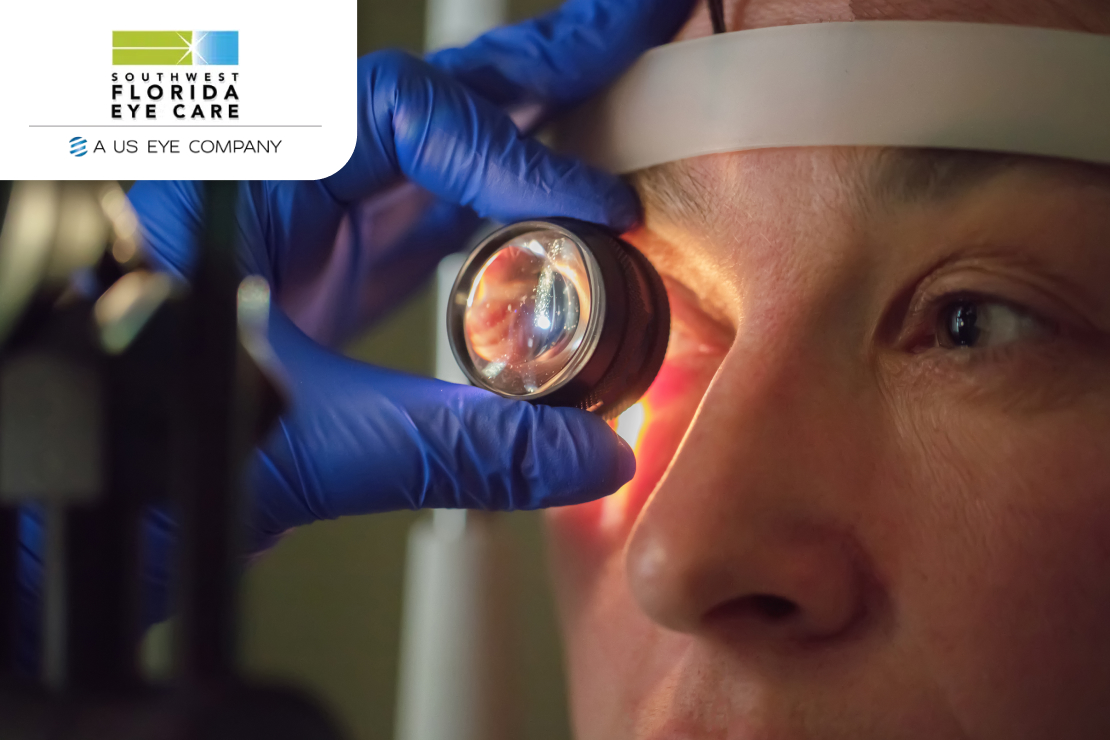
Cataract surgery is recommended when vision loss interferes with everyday activities. This varies by patient but often includes difficulty with:
- Driving safely
- Reading or using digital devices
- Performing work tasks
- Recognizing faces
- Managing daily responsibilities
Waiting too long can worsen visual limitations and may extend cataract surgery recovery time by allowing vision to decline further before treatment.
Experiencing cataract symptoms and unsure how an eye doctor confirms whether surgery is necessary? Read the blog to learn what your evaluation includes and what you should ask.
Benefits of Early Cataract Surgery
Early treatment offers both visual and lifestyle advantages. Choosing not to delay surgery often leads to better overall outcomes.
Faster and Clearer Vision Improvement
One of the most noticeable cataract surgery benefits is improved clarity of vision. Many patients report clearer sight within days of surgery.
Cataract vision improvement may include:
- Sharper focus
- Enhanced contrast
- Brighter color perception
- Reduced glare and halos
Undergoing surgery early in the year allows patients to enjoy these benefits sooner and for a longer portion of the year.
Improved Safety and Independence
Reduced vision increases the risk of falls, accidents, and driving difficulties. Restoring vision early improves safety and confidence, particularly for older adults.
Early surgery supports:
- Safer mobility
- Greater independence
- Reduced reliance on others
These functional improvements are a key reason many patients consider early winter the best time for cataract surgery.
Reduced Surgical Complexity
Cataracts that progress for long periods may become denser. More advanced cataracts can require additional surgical energy and time.
Early intervention often results in:
- Shorter procedure duration
- More predictable outcomes
- Smoother recovery
These factors enhance overall cataract surgery benefits and support long-term eye health.
Positive Impact on Emotional Well-Being
Vision loss can affect emotional health. Patients with untreated cataracts often experience frustration, reduced confidence, and social withdrawal.
Clear vision improves:
- Mood and confidence
- Social engagement
- Overall quality of life
The emotional benefits of timely surgery are just as meaningful as physical improvements.
Cataract Surgery Recovery Timeline: What to Expect
Understanding the typical cataract surgery recovery time helps patients plan appropriately and choose favorable eye surgery timing.
The following timeline summarizes common recovery experiences. Individual healing varies, and patients should follow their surgeon’s instructions for activity restrictions and follow-up care.
| Stage | Typical experience |
| First 1–2 days | Mild irritation, blur, and light sensitivity are possible. |
| First week | Vision often improves; follow surgeon precautions. |
| Following weeks | Healing and visual stability vary. |
Day of Surgery
Laser surgery for cataracts is usually completed within 20 to 30 minutes. Patients return home the same day with protective instructions and prescribed eye drops.
First 24 to 48 Hours
During the initial recovery period:
- Vision may be blurry
- Mild discomfort or irritation is common
- Eye drops are used to prevent infection and inflammation
Most patients resume light activities quickly, which contributes to a manageable cataract surgery recovery time.
First Week After Surgery
Within the first week:
- Vision clarity improves steadily
- Sensitivity to light decreases
- Many normal routines can resume with care
Patients are advised to avoid heavy lifting and eye rubbing.
One Month and Beyond
Full healing usually occurs within four to six weeks. Vision stabilizes, and final prescriptions are determined if needed.
Because recovery experiences vary, January and February can offer a convenient window for healing when patients can arrange sufficient time for post-operative care and follow-up visits.
Patients should ask their surgeon when they can safely resume driving, exercise, and other activities rather than relying on a fixed recovery date.
How to Prepare for Cataract Surgery
Use this checklist to help plan for cataract surgery during:
- Schedule a comprehensive eye exam to evaluate your cataracts and overall eye health.
- Discuss intraocular lens (IOL) options with your surgeon based on your vision needs.
- Verify insurance coverage, deductible requirements, and estimated out-of-pocket costs.
- Arrange transportation to and from your surgery appointment.
- Schedule and plan transportation for necessary follow-up visits.
- Review prescribed eye-drop instructions and post-operative care guidelines with your surgical team.
These preparations can help patients considering cataract surgery in winter organize their appointments and recovery without assuming that the season itself improves surgical outcomes.
When Should You Avoid Delaying Cataract Surgery?
Although cataracts are not a medical emergency, delaying surgery unnecessarily can create avoidable challenges.
Progressive Worsening of Symptoms
As cataracts mature, cataract symptoms intensify. Vision becomes increasingly impaired, making daily tasks more difficult.
Delaying treatment may result in:
- Severe glare sensitivity
- Reduced night vision
- Difficulty maintaining independence
Impact on Daily Life and Safety
Vision loss affects:
- Driving confidence
- Work performance
- Household safety
Waiting too long often limits quality of life more than patients expect.
Increased Surgical Difficulty
Advanced cataracts may require more complex surgical techniques. Early treatment generally results in smoother procedures and better outcomes.
This is why many specialists recommend evaluating eye surgery timing based on functional vision rather than waiting for severe impairment.
Conclusion
Choosing the right time for cataract surgery is not only about convenience. It is about protecting your vision, maintaining independence, and improving your quality of life. For many patients, scheduling surgery earlier in the year provides practical advantages, smoother recovery, and the opportunity to enjoy clearer sight for months to come. When cataract symptoms begin to interfere with daily activities, waiting often leads to unnecessary limitations.
At Southwest Florida Eye Care, we believe that clear vision depends on eye care that is as unique as you are. For more than 30 years, our experienced ophthalmologist and eye doctors have been proud to serve patients throughout Fort Myers, Naples, and Cape Coral, Florida.
As Southwest Florida’s leaders in laser cataract surgery, LASIK, and advanced vision correction, we use only the safest and most modern technology to design treatment plans tailored to your eye anatomy, lifestyle, and visual goals. Whether you are seeking relief from cataracts, treatment for an ocular condition, or greater freedom from glasses, our team is committed to guiding you every step of the way.
If cataracts are affecting your vision, comfort, or confidence and if you’re looking for laser cataract eye surgery in Florida, contact us today to schedule a consultation and learn how our expertise, technology, and patient-first approach can help you see clearly again. We look forward to welcoming you to our practice and helping you achieve the vision you deserve.
Frequently Asked Questions
Does dry winter weather affect cataract surgery recovery?
Dry winter weather, wind, and indoor heating may contribute to temporary eye dryness or discomfort for some patients. However, there is no established evidence that winter provides better cataract surgery outcomes. Patients should follow their surgeon’s eye-drop instructions and discuss any persistent dryness or irritation during recovery.
Should I wait until winter for cataract surgery?
You should not delay medically recommended cataract surgery solely to wait for winter. If cataracts are affecting your driving, reading, or other daily activities, consult your eye surgeon about the appropriate timing. January and February may be convenient for scheduling, but cataract symptoms and eye health are more important than seasonal preferences.
Can I Have Cataract Surgery If I Have Dry Eyes During Winter?
Yes, but dry eyes may affect surgical measurements and comfort. Your ophthalmologist may recommend treating dryness before surgery.
Can I Travel to Florida for Cataract Surgery During Winter?
Yes. However, plan your stay to accommodate preoperative evaluations, surgery, and required follow-up appointments before traveling home.
Can I Have Cataract Surgery During Seasonal Allergies?
Seasonal allergies do not necessarily prevent surgery. However, your ophthalmologist may recommend treating active eye irritation or inflammation beforehand.
Can Both Eyes Be Treated During January or February?
Yes, depending on your eye health and surgeon’s recommendations. Cataract surgeries are typically scheduled separately, with appropriate time for recovery and follow-up care.