
Table of Contents
Choosing the right optometrist is a crucial step in maintaining your eye health and overall well-being. Whether you need a routine eye exam, treatment for a specific condition, or help selecting the best corrective lenses, finding the right professional can make all the difference. This guide will help you navigate the process of choosing the best optometrist to meet your needs.
How to Choose the Right Optometrist for Your Eye Care Needs
Learning how to choose an optometrist comes down to matching a provider’s expertise, technology, and communication style to your specific eye care needs. The steps below walk through what to evaluate — from credentials to the questions to ask an eye doctor before committing to a long-term provider.
1. Understand Your Eye Care Needs
Before beginning your search, identify what you need from an optometrist. Are you looking for routine eye exams, glasses, or contact lenses? Do you require specialized care for conditions like glaucoma, myopia, or dry eyes? Knowing your needs will help you narrow your options and find an optometric eye care professional who aligns with them.
2. Research Credentials and Experience
Ensure that your optometrist has a Doctor of Optometry (OD) degree and is licensed in your state. Check for additional certifications or specializations that align with your specific needs, such as pediatric care or ocular disease management. Experienced optometrists are more likely to have encountered a wide range of conditions and can offer better insights and solutions.
3. Seek Recommendations
Ask friends, family, or your primary care physician for referrals. Personal recommendations often provide valuable insights into an optometrist’s care quality and approach. Online reviews can also be helpful, offering feedback from a broader patient base. Look for patterns in the reviews, such as mentions of professionalism, technology, and patient satisfaction.
4. Evaluate Technology and Services
Modern diagnostic tools like retinal imaging and optical coherence tomography (OCT) are essential components of advanced optometric eye care, enhancing the accuracy of exams and improving outcomes. Check whether the optometrist’s practice invests in advanced equipment and offers comprehensive services. A clinic that provides a wide range of optometric eye care services—routine exams, specialty treatments, and eyewear fittings—can save you time and ensure continuity of care.
5. Consider Accessibility and Convenience
Choose a conveniently located practice that offers flexible hours to suit your schedule. Inquire about their policies for emergency appointments and after-hours care. Accessibility features, such as wheelchair access or family-friendly amenities, may also be important depending on your situation.
6. Assess Communication and Patient Care
A good optometrist listens to your concerns, explains diagnoses clearly, and involves you in treatment decisions. During your first visit, observe how well they communicate and whether you feel comfortable asking questions. Friendly, professional office staff also contribute to a positive experience.
7. What Questions Should You Ask an Optometrist?
The right questions to ask an eye doctor reveal whether their expertise, technology, and care philosophy match your needs. During your first consultation, work through these questions:
- What are your qualifications, board certifications, and areas of specialization?
- How many years of experience do you have treating my specific condition or vision concern?
- What diagnostic technology do you use, and how does it improve exam accuracy?
- How do you handle eye emergencies, after-hours concerns, and urgent symptoms?
- What is your approach to preventative eye care and long-term monitoring?
- Which insurance plans do you accept, and what are out-of-pocket costs for non-covered services?
- Will I see the same provider at each visit, or rotate among the practice’s doctors?
The way an optometrist answers — clearly, patiently, and without rushing — is just as telling as the answers themselves.
8. Review Costs and Insurance
Eye care costs vary by practice and services offered. Before scheduling an appointment, confirm pricing for exams, treatments, and eyewear, and check whether they accept your insurance. Many practices provide direct billing, which simplifies the process. Transparent pricing ensures there are no surprises later.
Signs You May Need to See an Optometrist
Many people delay scheduling an eye exam until vision becomes noticeably worse — but knowing when to see an optometrist early can prevent more serious problems down the road. Watch for these warning signs:
- Frequent headaches, especially after reading or screen use
- Blurred, double, or fluctuating vision at any distance
- Eye strain, fatigue, or burning sensation after normal daily tasks
- Difficulty seeing at night or increased glare and halos around lights
- Persistent dryness, itchiness, redness, or excessive tearing
- Sudden flashes of light, new floaters, or a shadow in your peripheral vision
- Squinting, tilting your head, or holding screens at unusual distances to see clearly
- Family history of glaucoma, macular degeneration, or diabetic eye disease
If any of these symptoms sound familiar, knowing when to see an optometrist is the first step — and searching for the best optometrist near you with availability for a comprehensive exam should be your next. Sudden vision loss, eye pain, or trauma warrants an emergency visit rather than a routine appointment.
Why Choosing the Right Optometrist Matters
Your choice of optometrist can significantly impact your eye health and overall quality of life. Here’s why it’s essential to choose wisely:
Early Detection of Health Issues
The eyes can reveal signs of systemic health problems like diabetes or hypertension. A skilled optometrist can identify these issues during a routine exam, allowing for early intervention.
Tailored Vision Care
A good optometrist considers your lifestyle, work environment, and specific needs, offering personalized solutions for issues like digital eye strain, dry eyes, or myopia management.
Personalized Vision Care
Many eye conditions develop gradually without noticeable symptoms. An experienced optometrist focuses on early detection and treatment, helping prevent long-term vision loss.
Preventing Long-Term Vision Loss
Your vision changes over time. A trusted optometrist provides consistent, adaptable care, ensuring your eyes stay healthy at every stage of life.
What to Expect During a Comprehensive Eye Exam
A comprehensive eye exam goes far beyond reading letters on a chart. It’s a full evaluation of both vision and eye health, typically taking 45 minutes to an hour. Here’s what a thorough exam includes:
Patient History and Vision Screening
Your optometrist will review your medical history, current medications, family eye health history, and any specific symptoms. A visual acuity test using a standard eye chart establishes a baseline for how clearly you see at distance and near.
Refraction and Prescription Assessment
Using a phoropter, your optometrist determines whether you need corrective lenses and at what strength. This is the step that produces a glasses or contact lens prescription.
Eye Health Evaluation
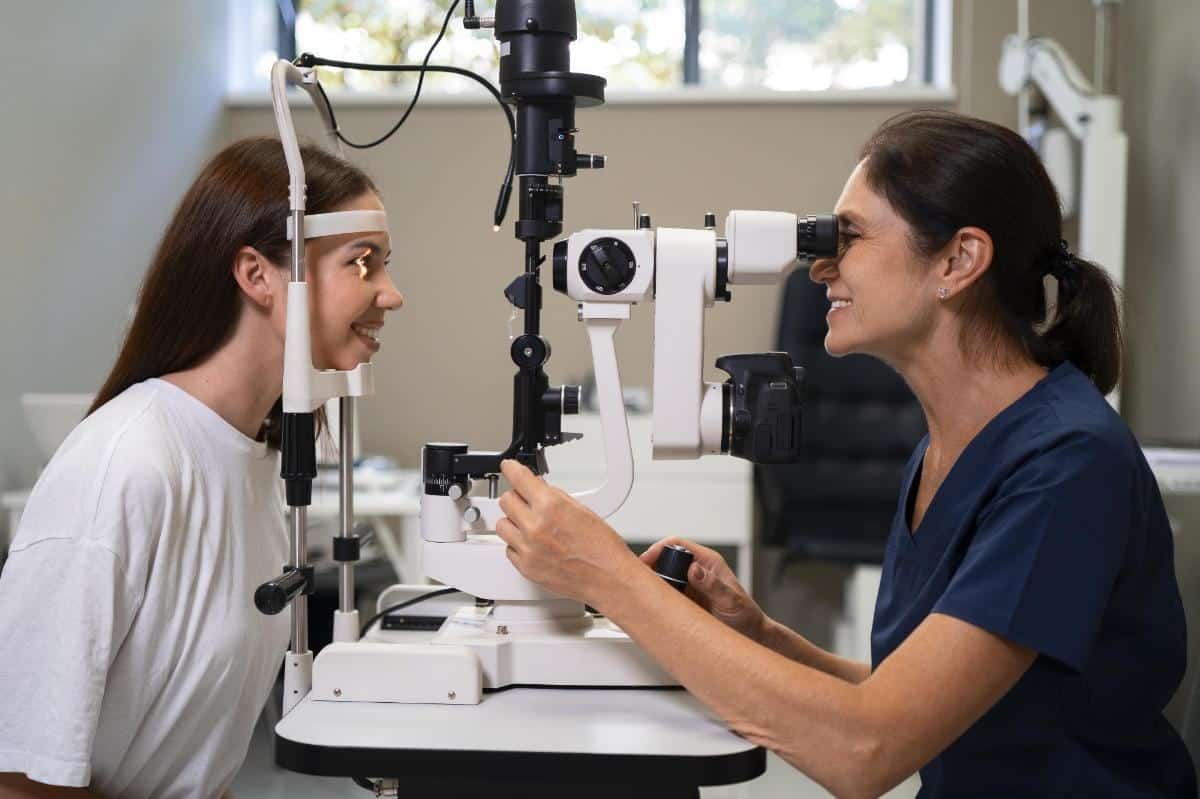
The optometrist examines the front of your eyes using a slit lamp to check the cornea, iris, and lens. Pupil dilation may follow so they can inspect the retina, optic nerve, and blood vessels at the back of the eye — critical for catching glaucoma, macular degeneration, and diabetic retinopathy early.
Advanced Diagnostic Imaging
Many modern practices use optical coherence tomography (OCT) and retinal imaging to capture high-resolution scans of the retina. These images establish a baseline that helps detect subtle changes over time — long before symptoms appear.
Eye Pressure and Peripheral Vision Testing
Tonometry measures the pressure inside your eyes — elevated pressure is a leading risk factor for glaucoma. A visual field test may follow if peripheral vision concerns are flagged.
Discussion of Findings and Next Steps
Your optometrist will walk through results, explain any findings in plain language, and recommend a follow-up schedule, lens prescription, or specialty referral if needed.
Conclusion
Your vision is integral to your overall health, and choosing the right optometrist is essential for maintaining it. Our expert optometrists at Southwest Florida Eye Care support your long-term eye health by understanding your needs, researching potential providers, and prioritizing personalized care.
Take the time to evaluate your options and make an informed decision. Whether it’s a routine check-up or specialized treatment, a trusted optometrist is your partner in achieving clear, healthy vision for years to come. Don’t wait—schedule your appointment today and take the first step toward better eye health.
Frequently Asked Questions
How often should adults get an eye exam?
Most adults with healthy eyes should schedule a comprehensive eye exam every one to two years. Adults over 60, those with diabetes, high blood pressure, or a family history of eye disease should be examined annually. Children and teens with corrective lenses also benefit from yearly checkups to track prescription changes.
What is the difference between an optometrist and ophthalmologist?
An optometrist (OD) is a primary eye care provider trained to perform eye exams, diagnose conditions, prescribe corrective lenses, and treat many eye diseases medically. An ophthalmologist (MD) is a medical doctor who can do everything an optometrist does plus perform eye surgery. For routine care and most eye conditions, an optometrist is your starting point — they’ll refer you to an ophthalmologist if surgical intervention is needed.
Can an optometrist detect health problems?
Yes. Because the eyes contain visible blood vessels and nerves, an optometrist can often detect early signs of systemic conditions like diabetes, high blood pressure, high cholesterol, autoimmune disorders, and even certain cancers during a routine exam. This is one reason regular eye exams are valuable even when your vision feels fine.
How do I find a good optometrist in Southwest Florida?
Start by checking credentials, reading recent patient reviews, and confirming insurance compatibility. When searching for the best optometrist near you in Southwest Florida, prioritize practices that offer advanced diagnostic technology, transparent pricing, and providers who take time to answer questions. Southwest Florida Eye Care serves patients across Fort Myers, Cape Coral, and Naples with comprehensive optometric and surgical eye care.
What conditions can an optometrist treat?
Optometrists treat a wide range of vision and eye health conditions, including refractive errors (nearsightedness, farsightedness, astigmatism), dry eye disease, eye infections, allergies, glaucoma, early diabetic retinopathy, macular degeneration monitoring, and contact lens fitting for complex cases. For surgical conditions like advanced cataracts or LASIK, optometrists coordinate care with ophthalmologists.
*Disclaimer: The information provided in this blog is for general informational purposes only and should not be considered a substitute for professional medical advice. If you are experiencing vision changes, symptoms of cataracts, glaucoma, or any other eye-related concerns, it is important to consult with a qualified eye care professional. Only a healthcare provider can offer personalized advice, diagnosis, and treatment based on your needs.**