
Table of Contents
LASIK (Laser-Assisted In-Situ Keratomileusis) eye surgery is a popular form of laser vision correction that has transformed the lives of millions around the globe. It offers a promising route for individuals burdened by refractive errors like myopia, hypermetropia, or astigmatism, opening the door to clear vision without the constant dependency on glasses or contact lenses.
However, like any medical procedure, LASIK surgery’s success significantly leans on appropriate preparation. Read more to learn the necessary steps and precautions before LASIK surgery, ensuring you get improved vision with confidence.
What Is LASIK?
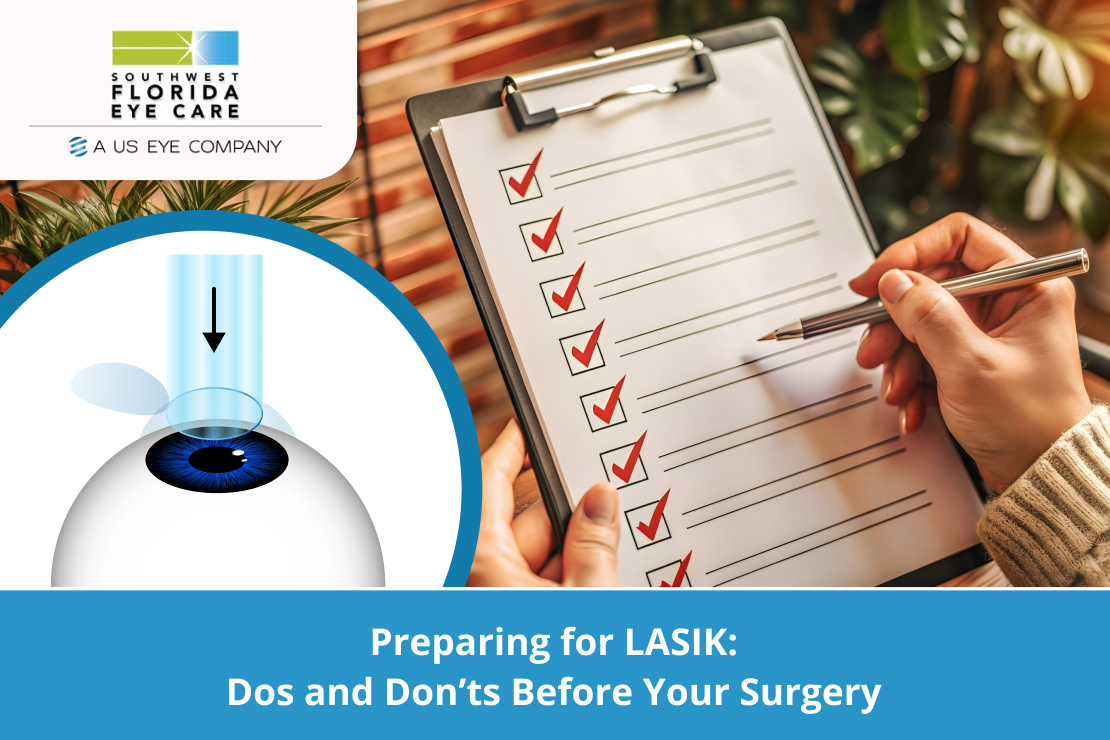
LASIK is a laser-based vision correction procedure designed to reshape the cornea and improve how light enters the eye. It is commonly used to treat nearsightedness, farsightedness, and astigmatism. During the procedure, a specialized laser precisely alters corneal tissue, allowing images to focus correctly on the retina.
Patients are awake during LASIK, and the procedure itself typically takes only minutes per eye. While results can be rapid, the foundation for success is built beforehand through proper screening, preparation, and adherence to pre-surgery instructions.
Pre-Surgery Tests & Evaluations
Before undergoing LASIK, patients must complete a comprehensive eye evaluation. These tests determine whether LASIK is a safe and effective option for your eyes. Common assessments include corneal thickness measurements, corneal topography, pupil size evaluation, tear production testing, and a detailed review of refractive stability.
These exams also help identify what symptoms you have before LASIK that may affect candidacy, such as chronic dry eyes, fluctuating vision, or nighttime glare. Identifying these factors early allows your ophthalmologist to personalize treatment planning and reduce post-operative complications.
Dos Before LASIK
Learn About the Procedure
Understanding the LASIK essentials is vital to getting a successful outcome. LASIK eye surgery, a form of laser vision correction, uses a laser to adjust the shape of the cornea while the patient is awake, rectifying refractive errors and improving vision. The immediate enhancement in vision and reduced reliance on glasses or contact lenses are some of the most notable benefits.
However, potential risks like dry eyes and temporary visual disturbances can occur. Your ophthalmologist should prioritize patient education and ensure you are well informed about the procedure and its role in the innovative field of ophthalmology—empowering you to make an informed decision regarding your vision health.
Schedule your Appointment Weeks in Advance
Once you’ve decided to have LASIK vision correction, arrange your surgery date several weeks ahead, especially if you wear contact lenses. At this point, it’s the perfect opportunity to discuss any questions or concerns with your ophthalmologist. They will provide detailed pre and post-operative instructions to ensure your procedure goes smoothly. Remember, open communication with your eye doctor ophthalmologist is key to a successful LASIK experience.
Secure Transportation Post-Procedure
Post-LASIK surgery, you may encounter blurry vision or light sensitivity, making driving risky. To ensure your safety, arrange transportation home after the operation. Whether it’s a family member, friend, or taxi service, having someone else drive allows you to focus on recovery without stressing about traffic.
Prioritize Sleep
A good night’s rest is vital before LASIK eye surgery, as it promotes overall health and enhances immune function—critical factors for quick recovery. Anxiety or nervousness might occur the night before the procedure, so indulge in relaxing activities to ensure restful sleep. Avoid caffeine, as it can disrupt sleep. Wake up refreshed and ready for the procedure, realizing that a well-rested body is essential for coping with surgery and recovery.
Don’ts Before LASIK
Overlook your Medical History
Overlooking your medical history could impact the success of your LASIK eye surgery and even lead to complications. It’s crucial to disclose all relevant health information, including pre-existing conditions such as diabetes, autoimmune diseases, or eye-related issues like glaucoma or ocular hypertension. Also, certain medications might interfere with post-surgery healing. Because of this, patients must share details about any medications, supplements, or over-the-counter drugs they’re currently taking. Your ophthalmologist will ensure your safety with personalized surgical treatments based on your unique health profile.
Wear Contacts Immediately Before Surgery
Avoid wearing contact lenses in the weeks leading up to your LASIK surgery because they can distort the shape of your cornea, potentially compromising the procedure’s accuracy. Specifically, hard lenses or toric lenses for astigmatism should be replaced with glasses at least three weeks before surgery. For those wearing soft contact lenses, we recommend removing them for a one-week minimum. This allows your eyes to revert to their natural shape.
Skip Meals
While LASIK doesn’t require fasting pre-procedure, skipping meals could negatively impact your surgery or recovery by causing low blood sugar or dehydration. Consume a balanced, wholesome meal before your LASIK eye surgery, but avoid heavy or fatty foods because they may induce feelings of sluggishness or nausea. Remember to stay hydrated, but restrict caffeinated drinks, as they can exacerbate dry eyes.
Apply Makeup or Perfume on the Day of the Surgery
On the day of your LASIK eye surgery, avoid makeup and perfumes. Eye makeup can disrupt laser precision and may encourage bacteria, while perfumes/fragrances can cause discomfort and irritation. Clean your face free of dirt using a gentle, non-irritating soap to rinse your eyelids gently. Avoid products that leave a film on the skin because they might interfere with the procedure.
Modern LASIK Planning
Advancements in LASIK technology have significantly improved precision and safety. Modern LASIK planning uses detailed corneal mapping and wavefront analysis to create customized treatment profiles for each patient. This personalized approach allows surgeons to account for subtle irregularities in eye structure and vision patterns.
By combining advanced diagnostics with thorough preparation, today’s LASIK procedures are more predictable and tailored than ever before—making preparation a critical part of achieving high-quality visual outcomes.
Think LASIK is right for you? Schedule your LASIK consultation at Southwest Florida Eye Care services today to find out!
Frequently Asked Questions
How do I know how to prepare for LASIK correctly?
Your ophthalmologist will provide personalized instructions based on your eye health, lifestyle, and medical history. Following these guidelines closely is essential.
What medications should I avoid before LASIK?
Certain medications can affect healing or tear production. Always disclose all prescriptions, supplements, and over-the-counter drugs so your doctor can advise on medications to avoid before LASIK.
What drugs are given prior to LASIK surgery?
Patients may receive antibiotic eye drops, anti-inflammatory drops, and occasionally a mild oral sedative to help with relaxation.
What symptoms do you have before LASIK that may matter?
Dr. Albert Smolyar, LASIK, Cataract & Lens Replacement SurgeonSymptoms such as dry eyes, eye strain, fluctuating vision, or glare should be discussed during your evaluation, as they may influence treatment planning or recovery expectations.
How do you prepare your eyes for LASIK?
Stop wearing contact lenses for the recommended period before surgery to allow your cornea to return to its natural shape. Use artificial tears if advised to improve tear film quality, and avoid eye makeup or creams that could introduce bacteria.
Can I wear contact lenses before LASIK surgery?
No, you should avoid wearing contact lenses in the days or weeks leading up to LASIK. Contacts can alter the shape of your cornea and affect surgical accuracy. Switch to glasses as recommended by your doctor.
How long before surgery should I stop wearing contacts?
For soft contact lenses, discontinue use at least one week before surgery. If you wear hard or toric lenses, stop wearing them for two to three weeks, or as directed by your eye care professional.
Are there supplements that help healing after LASIK?
A balanced diet supports healing, but always consult your doctor before starting supplements. Omega-3 fatty acids and vitamin C may promote eye health, but only take supplements approved by your ophthalmologist.
Can I eat or drink before LASIK surgery?
Yes, you can eat a light, healthy meal before your procedure, as LASIK does not require general anesthesia. Avoid heavy, greasy foods and limit caffeine or alcohol, which can dehydrate you.